


Cold plunge chiller manufacturer: OEM custom for global brands
Views: 0 Author: Site Editor Publish Time: 2026-07-12 Origin: Site
The global surge in cold therapy has created a significant bottleneck for wellness brands. Scaling hardware production without compromising unit reliability remains a massive challenge. Many emerging brands fall into a dangerous trap. They quickly relabel generic residential units to meet immediate market demand. Unfortunately, this shortcut often leads to high failure rates. Customers frequently complain about unacceptable noise levels. Eventually, these missteps cause severely damaged brand reputations. You simply cannot afford these hardware failures. Selecting a qualified cold plunge chiller manufacturer requires moving far beyond basic unit price. You must carefully evaluate compressor engineering. You should rigorously verify safety compliance. Furthermore, assessing their OEM customization capabilities is strictly required. By partnering effectively, you ensure long-term product viability. This comprehensive guide will show you how to navigate hardware engineering, avoid common sourcing pitfalls, and successfully launch your bespoke cooling units to a global audience.
Key Takeaways
Technical baseline: A reliable custom ice bath chiller requires a titanium heat exchanger, integrated filtration (UV/Ozone), and a robust compressor capable of sustained low-temperature operation.
Capacity matching: The 0.8HP cold plunge chiller hits the optimal "sweet spot" for standard residential and light-commercial setups, balancing cooling speed with energy efficiency.
Vendor evaluation: True cold plunge chiller OEM partners provide transparent testing data, international safety certifications (UL/CE), and reliable post-sales component support.
Risk mitigation: Avoid generic wholesale cold chiller suppliers by auditing their quality control (QC) frameworks and supply chain traceability.
The Business Reality of Sourcing a Cold Plunge Chiller OEM
The wellness hardware market currently faces severe commoditization. Many overseas assembly houses masquerade as true manufacturers. They purchase cheap, off-the-shelf aquarium chillers. Then, they simply slap a new logo on the metal casing. You must differentiate between a true hardware engineering partner and a low-tier assembly house. A genuine engineering partner understands thermodynamics deeply. They build custom cooling curves. They design proprietary internal layouts to maximize airflow.
Sourcing inferior products introduces massive brand risks. Poor manufacturing leads directly to catastrophic field failures. These hidden costs will destroy your profit margins rapidly. We consistently see four major consequences of inadequate sourcing:
High return rates: Customers ship units back when compressors fail prematurely.
Water leaks: Cheap PVC fittings crack under constant temperature fluctuations.
Electrical hazards: Poor internal wiring creates severe shock risks.
Negative customer reviews: Frustrated buyers leave permanent damage on your online reputation.
You must establish clear success criteria early. Align your hardware choices directly against your target market. B2B buyers must distinguish between residential portability and commercial setups. Residential units need compact footprints. They require ultra-quiet operation for backyard environments. Conversely, commercial gyms demand continuous, 24/7 continuous use. They need oversized filtration systems to handle dozens of users daily. Matching the hardware strictly to the use case prevents premature breakdowns.
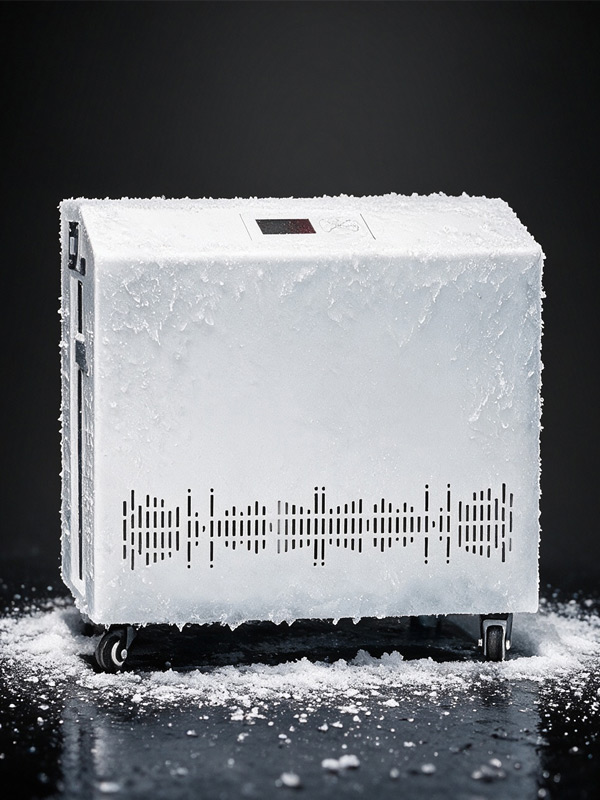
Core Technical Specs for a Custom Ice Bath Chiller
Cooling capacity dictates the entire user experience. We must evaluate cooling curves carefully. A properly sized compressor brings water temperatures down quickly. It maintains those crisp temperatures during consecutive plunges. High-efficiency rotary compressors from leading brands like Panasonic or Toshiba outperform generic alternatives entirely. They consume less electricity while transferring heat more effectively.
The industry clearly favors specific capacity metrics. A 0.8HP cold plunge unit represents the ultimate standard for 100–150 gallon tubs. It provides the ideal BTU/hr metrics required to drop water temperatures efficiently. It balances electrical load perfectly against raw cooling power.
Compressor Size | Ideal Water Volume | Primary Use Case | Cooling Speed Profile |
|---|---|---|---|
0.5 HP | Up to 80 Gallons | Light Residential | Gradual maintenance |
0.8 HP | 100 - 150 Gallons | Standard / Prosumer | Fast pull-down |
1.0+ HP | 150+ Gallons | Heavy Commercial | Rapid continuous recovery |
Corrosion resistance remains absolutely non-negotiable. Cold plunges utilize harsh sanitation chemicals continuously. Many users add therapeutic sea salt. Ozone generators create highly oxidative internal environments. Standard copper heat exchangers will corrode rapidly under these conditions. You must specify pure titanium heat exchangers. Titanium withstands salt, ozone, and chemical stress indefinitely.
Acoustic engineering solves the top consumer complaint globally. Excessive noise ruins the intended meditative cold therapy experience. Your unit must target baseline decibel ratings below 55dB. Engineers achieve this through specific internal vibration dampening techniques. They install thick rubber compressor mounts. They line the interior chassis using acoustically insulated foam.
Integrated water management keeps the system safe and sanitary. You must decide between built-in or external water pumps. Built-in pumps look cleaner and save exterior space. High-grade micro-filtration systems remove skin cells and debris constantly. Built-in sanitation modules provide the final layer of safety. Integrated Ozone and UV-C capabilities neutralize harmful bacteria automatically. Every reliable custom ice bath chiller needs these vital water management integrations.
Evaluating a Factory Ice Chiller Partner: Compliance and QC
Regulatory and safety compliance strictly protects your business liability. You cannot distribute products globally without proper laboratory certifications. North American markets require UL or ETL marks legally. European distribution strictly mandates CE and RoHS compliance. Insurance companies will reject claims if uncertified units cause property damage.
Electrical safety testing requires rigorous oversight. Combining standing water and high-voltage electricity creates inherent, fatal dangers. Your factory ice chiller partner must integrate Ground Fault Circuit Interrupters (GFCI) or ALCI plugs. These crucial devices cut power instantly upon detecting minute electrical faults.
Quality assurance protocols separate reliable engineering facilities from careless assembly lines. Required factory testing phases must be exhaustive and documented. Reputable factories conduct high-pressure nitrogen testing initially. This step ensures zero refrigerant leaks exist inside the copper piping. They must also execute prolonged continuous-run stress tests. Completed units should run flawlessly for 48 hours straight in a hot room before final packaging.
Supply chain transparency matters deeply for long-term consistency. You must assess the manufacturer's direct control over critical internal components. Ask them exactly who manufactures their Printed Circuit Boards (PCBs). Inquire about their temperature sensor accuracy. Verify their refrigerant choices immediately. Modern, compliant units should use R410a or R32 refrigerants exclusively. These specific options comply strictly with global environmental phase-out regulations.
Mitigating Risks with Wholesale Cold Chiller Sourcing
Sourcing hardware overseas always carries inherent operational dangers. The "off-the-shelf" versus custom dilemma confuses many new buyers. Buying white-label stock seems incredibly fast initially. You just paste your logo onto an existing metal box. However, white-label stock offers zero market differentiation. You end up competing purely on price against dozens of identical clones. Engineering a proprietary form factor builds real brand equity. It securely protects your long-term market share.
Warranty policies require your strict attention during negotiations. You must establish clear, legally binding Service Level Agreements (SLAs). How exactly will standard suppliers handle replacement parts? They must ship replacement water pumps and digital displays across international borders rapidly. A broken unit angers dedicated customers instantly. You need local spare part inventories. Negotiate to include 2% spare parts shipped freely alongside your bulk container orders.
Lead times impact your operational cash flow directly. Minimum Order Quantities (MOQs) dictate your upfront financial risk. Structuring initial pilot runs protects your working capital effectively. Always order sample units first. Test these specific samples vigorously in your local climate. Never commit to mass production blindly based on photos. Avoid generic wholesale cold chiller suppliers entirely if they refuse to accommodate small pilot testing runs.
The OEM Process: From Prototype to Global Rollout
Moving a product from initial concept to a successful global rollout requires strict engineering discipline. You must follow a proven developmental roadmap. This structured approach eliminates costly manufacturing mistakes.
Phase 1: Needs Analysis and Spec Locking. You must define the target water volume accurately. You need to establish the lowest target temperature required. Most premium brands aim strictly for 37°F (3°C). Next, outline your specific UI/UX requirements. Customers now expect seamless Wi-Fi integration. They want robust mobile app connectivity. Modern touchscreen displays provide a necessary premium feel.
Phase 2: Custom Casing and Branding. Industrial design adaptations make your unit visually unique. Select custom housing materials very carefully. Stainless steel offers incredible structural durability. Weather-resistant composite plastics work perfectly for outdoor setups. Your cold plunge chiller OEM will also develop custom firmware during this phase. They will program your logo directly into the digital boot screen.
Phase 3: Prototyping and Field Testing. You will receive the physical first article unit. You must test specific environmental metrics rigorously. Measure the exact pull-down time using a stopwatch. Record ambient temperature performance carefully in hot, humid climates. Verify the actual water flow rate against the stated pump specifications.
Phase 4: Mass Production and Logistics. Finalizing the exterior packaging is critical. The packaging must be officially drop-test certified. Heavy compressors damage very easily during rough ocean transit. Use custom-molded foam inserts and honeycomb cardboard. Finally, you must navigate freight forwarding and customs clearance for seamless global delivery.
Conclusion
Your hardware forms the operational heartbeat of your wellness brand. Every customer interaction relies entirely on consistent cooling performance. You cannot afford to compromise on engineering quality.
Prioritize titanium heat exchangers and high-efficiency rotary compressors.
Demand verifiable safety certifications like UL, ETL, and CE.
Audit factory testing protocols to prevent widespread component failures.
Protect your capital by starting with rigorous prototype field testing.
Differentiate your brand through thoughtful custom casing and smart app integrations.
Advise your procurement teams to act methodically. They should start the process by scheduling a technical consultation. They must submit a formal Request for Quotation (RFQ). Base this precise RFQ strictly on performance parameters and safety compliance. Never base your final vendor decision solely on the lowest unit cost.
FAQ
Q: What is the difference between a 0.5HP, 0.8HP, and 1HP cold plunge chiller?
A: A 0.5HP unit cools small, insulated tubs under 80 gallons slowly. A 1HP unit cools massive commercial tubs rapidly but consumes significant electrical power. The 0.8HP unit serves as the ideal middle ground. It efficiently cools standard 100-150 gallon residential setups quickly. It perfectly balances fast pull-down speeds against daily electrical efficiency.
Q: Can an OEM customize the mobile app and display interface?
A: Yes. Capable manufacturers offer deep custom firmware capabilities. They frequently utilize Tuya or Smart Life IoT platforms. These platforms allow seamless, complete white-labeling. You can integrate your brand logo directly into the digital touchpoints. You can also customize temperature presets, scheduling features, and maintenance alerts remotely.
Q: How long does it take an OEM to develop a custom ice bath chiller?
A: Realistic timelines vary based on your customization depth. Standard modifications take about 2 to 4 weeks. These include simple casing color changes or logo placements. Completely proprietary casing designs require intensive R&D. Developing custom injection molds and running comprehensive thermal tests usually takes 3 to 6 months.
Q: Are generic factory ice chillers safe for outdoor use?
A: Generic units often fail dangerously outdoors. Safe outdoor operation requires specific internal weatherization modifications. You must verify the specific Ingress Protection (IP) ratings. Look strictly for IPX4 or IPX5 certifications. These ratings ensure internal electronic components remain protected against splashing water and light rain during exterior use.