


High-Power Cold Tub Chiller: Fast Cooling for Large Tubs
Views: 0 Author: Site Editor Publish Time: 2026-01-06 Origin: Site
Introduction
Did you know that using ice for cold plunge therapy can be inefficient and time-consuming? With the rising popularity of cold therapy, the demand for faster and more reliable cooling methods has never been higher. A high-power cold tub chiller is the ideal solution for large tubs, offering consistent and rapid cooling.
In this article, we’ll explore the benefits of using a cold tub chiller for large tubs. You’ll learn how these chillers work, how to choose the best one for your needs, and why they’re a great investment for both personal and commercial use.
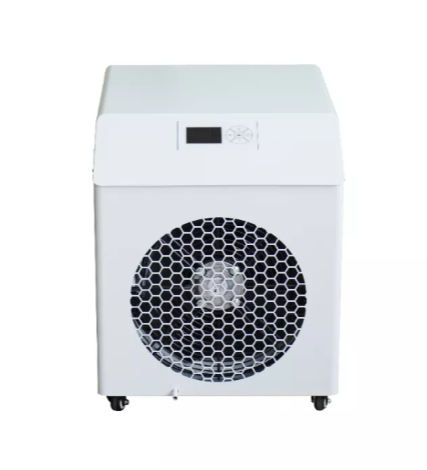
Why High-Power Cold Tub Chillers Are Essential for Large Tubs
The demand for efficient cooling solutions has increased significantly in recent years, especially for large tubs. As more people discover the therapeutic benefits of cold plunge therapy, the need for reliable and effective cooling methods has surged. High-power cold tub chillers are a vital tool for those who need fast and consistent temperature control in large water volumes. Whether used for athletic recovery, wellness routines, or commercial purposes, these systems help maintain the optimal cold temperature, ensuring maximum effectiveness and convenience during each cold therapy session.
Increasing Demand for Efficient Cooling
Cold tub therapy, once limited primarily to professional athletes, is now becoming a mainstream solution for muscle recovery, reducing inflammation, and improving overall well-being. With the increasing recognition of the benefits of cold therapy, the demand for high-power cold tub chillers has grown substantially. These chillers are especially important for large tubs that require substantial cooling power to lower the water temperature quickly and maintain consistency. Traditional cooling methods such as ice packs or manually adding ice fall short of delivering reliable, even temperature control over large volumes of water. These methods can result in uneven cooling, extended waiting times, and potential temperature fluctuations, which compromise the therapeutic effects of the cold plunge.
The Need for Fast Cooling
Traditional methods of cooling, such as using ice, can take hours to bring the water to the desired cold temperature. This is impractical for individuals who need to prepare their cold bath quickly, or for commercial settings where rapid and efficient cooling is essential. High-power cold tub chillers are specifically engineered to handle larger water volumes and bring them to the ideal temperature in a fraction of the time. For example, a high-power system can cool a large tub significantly faster than traditional methods, ensuring users don’t have to wait long for optimal cold therapy. This makes high-power chillers perfect for both busy individuals who need their tubs ready in a short amount of time and for commercial facilities that operate on tight schedules.
How High-Power Cold Tub Chillers Work
Understanding the inner workings of high-power cold tub chillers can help users make more informed decisions about which unit is best for their needs. These systems utilize advanced cooling technology that not only cools the water but also maintains a consistent, stable temperature throughout the duration of the cold plunge, maximizing the therapeutic benefits.
Cooling Mechanism and Technology
At the heart of any cold tub chiller is a refrigeration system designed to cool large quantities of water efficiently. The system works by circulating water through a series of cooling coils. As the water flows through these coils, heat is absorbed by the refrigerant and carried away, lowering the temperature of the water to the desired level. A pump continuously circulates the water, ensuring uniform cooling and preventing the formation of ice patches. This process helps maintain an even temperature, providing a consistent cold plunge experience. Many modern units also include advanced sensors that adjust the cooling power as needed, maintaining precise control over the water temperature for optimal results.
Key Design Features for Large Tubs
High-power cold tub chillers are specifically designed to handle larger water volumes, which makes them ideal for tubs used in sports facilities, wellness centers, or home settings. These units are built with more powerful compressors that can handle the higher capacity needed for large tubs, ensuring that the cooling process remains effective and efficient. Some high-power models come equipped with filtration systems, which help purify the water by removing impurities, keeping it clean and hygienic for repeated use. These added features are particularly useful in commercial settings, where water quality and hygiene are essential for ensuring a safe and enjoyable cold plunge experience for all users.
How to Choose a High-Power Cold Tub Chiller for Large Water Volumes
Choosing the right cold tub chiller for a large tub involves understanding the water volume, the desired cooling speed, and the required cooling capacity. Below are some key factors to consider when selecting the ideal unit for your needs.
Selecting the Right Cooling Capacity
The horsepower (HP) rating of a cold tub chiller directly impacts its ability to cool large tubs. A 1HP chiller is typically sufficient for tubs holding up to 300 liters of water. However, for larger tubs that hold more than 500 liters, a 1.5HP or 2HP chiller will be necessary to ensure efficient cooling. The larger the tub and the greater the volume of water, the more powerful the chiller needs to be in order to achieve the desired temperature in a reasonable amount of time. It's important to match the chiller’s power to the size of the tub, as this will ensure optimal performance and avoid overworking the chiller.
| Horsepower (HP) | Cooling Capacity | Recommended Tub Size | Ideal Use | Average Price Range (2025) |
|---|---|---|---|---|
| 1/3 HP | Low-Medium | Up to 300 liters | Occasional use, cooler climates | $800 - $1,200 |
| 1/2 HP | Medium | 300 - 500 liters | Regular use, moderate climates | $1,200 - $2,000 |
| 3/4 HP | Medium-High | 500 - 800 liters | Frequent use, warm climates | $2,000 - $3,000 |
| 1+ HP | High | 800 liters and above | Commercial use, hot climates | $3,000 - $5,000+ |
Optimizing Cooling Speed for Large Tubs
Cooling speed is a crucial factor, especially for those who require a quick cold plunge or need the tub ready in a short amount of time. Several factors affect the cooling speed, including the ambient temperature, the volume of water, and the chiller’s horsepower. High-power chillers are designed to cool larger tubs faster than lower-powered models, helping to reduce wait times. For example, cooling a large tub from room temperature to the ideal cold plunge temperature can take several hours with lower-powered units, while high-power models can achieve the same cooling in a fraction of that time.
Top Benefits of Using High-Power Cold Tub Chillers
High-power cold tub chillers offer several advantages, particularly in terms of muscle recovery, convenience, and long-term cost savings. Let’s take a closer look at the key benefits of using these systems.
Enhancing Muscle Recovery with Consistent Cooling
One of the primary benefits of cold tub therapy is its ability to accelerate muscle recovery. A stable cold temperature helps to reduce inflammation and promote blood flow, aiding in the recovery of muscles after intense physical activity. High-power cold tub chillers ensure that the water remains at the optimal therapeutic temperature, usually between 39°F and 45°F (3°C to 7°C), for the duration of the bath. By maintaining a consistent temperature throughout the therapy session, these chillers enhance the overall effectiveness of cold therapy, providing users with faster recovery times and reduced soreness.
Eliminating the Need for Ice and Manual Cooling
Traditional cold plunge methods often require constant purchases and handling of ice, which can be both time-consuming and expensive. High-power cold tub chillers eliminate the need for ice by providing an on-demand cooling solution that is both efficient and cost-effective. These chillers cool the water automatically, reducing the hassle and mess associated with ice baths. Additionally, with built-in filtration systems, they help maintain clean water, reducing the need for frequent water changes and providing a more convenient, less labor-intensive solution.
Choosing the Best High-Power Cold Tub Chiller for Your Needs
When selecting the best cold tub chiller for large tubs, there are several factors to consider. Choosing a model with the right cooling capacity, energy efficiency, and additional features can make a significant difference in the long-term performance and cost-effectiveness of the system.
Matching Power Requirements to Your Tub Size
To ensure that the chiller performs optimally, it’s essential to match the unit’s horsepower to your tub size. A 1HP chiller is generally sufficient for smaller tubs, while larger tubs (500 liters or more) will benefit from a 1.5HP or 2HP model. By choosing the right power rating, you can ensure that your chiller will efficiently cool the water in the required time frame, preventing overuse or underperformance.
Long-Term Cost Savings and Energy Efficiency
While high-power cold tub chillers come with a higher initial investment compared to traditional ice-based methods, they save money in the long run. Not only do they eliminate the need for buying and storing ice, but they also help reduce the time spent managing ice baths. Many modern chillers are designed to be energy-efficient, using less power than traditional methods, which helps lower energy costs over time. Look for models with energy-saving features such as smart temperature control, which can adjust cooling output based on the water’s temperature.
Troubleshooting Common Issues with Cold Tub Chillers
Although high-power cold tub chillers are reliable, they can experience issues from time to time. Addressing these issues early can help maintain performance and extend the life of your unit.
How to Fix Insufficient Cooling Performance
If your cold tub chiller isn’t cooling effectively, the first step is to check the filters. Dirty filters can restrict airflow, reducing the chiller’s efficiency. Clean or replace the filters regularly to maintain proper airflow. Additionally, check the refrigerant levels and ensure there are no leaks, as low refrigerant can impact the chiller’s performance.
Managing Noise and Vibration in High-Power Chillers
High-power cold tub chillers are typically more powerful, which means they can sometimes generate more noise and vibrations. If noise is a concern, consider choosing a model designed for quiet operation. Some units come equipped with noise-reducing technology, such as soundproof casings or vibration dampers, to minimize disturbance during operation.
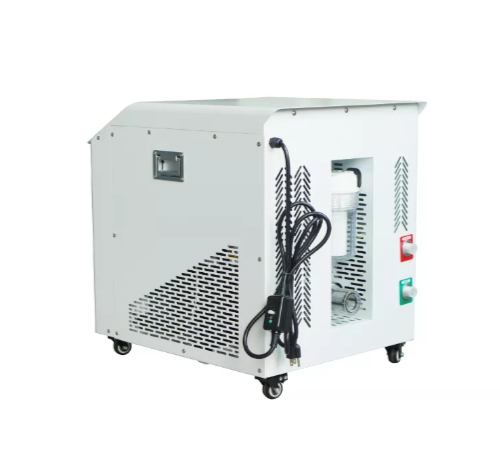
Maintenance Tips for High-Power Cold Tub Chillers
Proper maintenance is essential to ensure that your cold tub chiller continues to perform at its best for years to come. Regular care helps avoid breakdowns, maintain performance, and extend the system's life.
Essential Maintenance Practices for Longevity
Regular tasks like cleaning filters and checking refrigerant levels ensure efficient performance. Here’s a breakdown of key maintenance tasks:
Clean or Replace Filters (Monthly): Filters can clog over time, affecting airflow and cooling. Clean or replace them monthly to maintain performance.
Check Refrigerant Levels (Every 3-6 Months): Low refrigerant levels can decrease cooling efficiency and strain the compressor. Check levels regularly.
Inspect Condenser Coils (Every 3 Months): Dirty coils reduce cooling efficiency. Inspect and clean them every three months to prevent overheating.
Monitor Water Quality (Weekly): Contaminated water can affect performance and cause buildup. Monitor and replace the water weekly.
Check Hoses and Connections (Monthly): Loose hoses or leaks can reduce water circulation. Check connections monthly for proper function.
Inspect Water Pump (Every 6 Months): A malfunctioning pump can reduce water flow. Inspect it semi-annually to ensure proper circulation.
| Maintenance Task | Frequency | Purpose |
|---|---|---|
| Clean or replace filters | Monthly | Ensures proper airflow and cooling |
| Check refrigerant levels | Every 3-6 months | Prevents cooling performance issues |
| Inspect condenser coils | Every 3 months | Prevents overheating and ensures efficiency |
| Monitor water quality | Weekly | Keeps water clean and safe for use |
| Check hoses and connections | Monthly | Prevents leaks and maintains performance |
| Inspect water pump | Every 6 months | Ensures proper water circulation |
How to Extend the Life of Your Cold Tub Chiller
To prolong the lifespan of your chiller, ensure it's installed in a well-ventilated area, free from obstructions. Regular professional inspections help catch issues early and prevent expensive repairs.
Proper Installation: Ensure the chiller has enough space around it for airflow. Avoid placing items that block vents.
Regular Professional Inspections: Schedule periodic checks to identify potential problems before they escalate.
Monitor Water Quality and Energy Use: Use water treatments to prevent buildup, and ensure the chiller isn't running longer than necessary.
By following these practices, your chiller will perform efficiently and last longer, providing consistent cooling for your cold tub.
Conclusion
High-power cold tub chillers are crucial for controlling water temperature in large tubs. They provide faster cooling, improved energy efficiency, and greater convenience over traditional ice methods. Whether for personal wellness, athletic recovery, or commercial use, these chillers deliver consistent, high-quality cold therapy. Investing in a high-power chiller is a smart choice to maximize the benefits of cold plunge therapy.
QUAN GUAN offers top-quality cold tub chillers that ensure optimal performance, with advanced features designed to enhance efficiency and convenience, making it an excellent choice for both individual and professional needs.
FAQ
Q: What is a Cold Tub Chiller?
A: A Cold Tub Chiller is a device designed to cool large tubs of water quickly and efficiently, providing precise temperature control for cold therapy. It eliminates the need for ice and ensures consistent cooling, making it ideal for recovery and wellness purposes.
Q: How does a Cold Tub Chiller work?
A: A Cold Tub Chiller works by circulating water through a cooling system, where heat is absorbed and carried away by a refrigerant. The water is then cooled to the desired temperature, providing a stable and effective cold therapy experience.
Q: Why should I use a Cold Tub Chiller instead of ice?
A: Using a Cold Tub Chiller eliminates the need for manual ice replenishment, offering faster cooling and more consistent results. It also saves time and effort, making it a more convenient and efficient option for regular cold therapy.
Q: What is the cost of a high-power Cold Tub Chiller?
A: The cost of a high-power Cold Tub Chiller varies depending on its size and features. Prices typically range from $1,000 to $5,000, with commercial models being more expensive due to their larger capacity and advanced capabilities.
Q: How do I choose the right Cold Tub Chiller for my needs?
A: To choose the right Cold Tub Chiller, consider the size of your tub, desired cooling speed, and frequency of use. Larger tubs require higher horsepower to ensure effective cooling, while energy-efficient models can save costs in the long run.