


Commercial Cold Tub Chiller: Cost, Efficiency & Installation
Views: 0 Author: Site Editor Publish Time: 2026-01-01 Origin: Site
Introduction to Cold Tub Chillers
Are you tired of constantly refilling your ice bath? A Cold Tub Chiller offers a reliable and efficient solution. These systems provide consistent cold therapy without the hassle of ice. In this article, we’ll explore the costs, benefits, and installation of commercial cold tub chillers. By the end, you'll have a clear understanding of how they can enhance your wellness or fitness space.
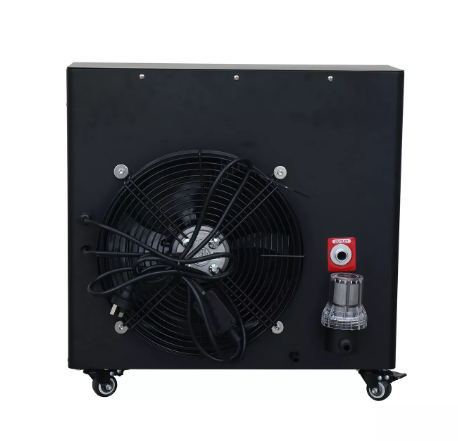
What is a Cold Tub Chiller and How Does It Work?
Understanding Cold Tub Chillers
A cold tub chiller is a refrigeration system designed to maintain water temperatures at low levels, typically used for therapeutic purposes such as muscle recovery, inflammation reduction, and general wellness. Unlike traditional ice baths, which require the repeated addition of ice, a cold tub chiller uses a refrigeration system to continuously cool the water. This system circulates the water, cooling it to a precise temperature and maintaining it at that level without requiring any manual intervention.
The primary difference between cold tub chillers and traditional ice baths lies in the method of cooling. While ice baths rely on the manual addition of ice, which melts over time and requires constant replenishment, cold tub chillers provide an automated, consistent cooling process through a closed-loop system. This makes cold tub chillers more efficient and reliable for long-term use, especially in commercial or high-frequency settings.
Key Applications of Cold Tub Chillers
Cold tub chillers are used across various industries where cold therapy is needed:
Sports and Fitness: Athletes rely on cold tub chillers to speed up recovery after intense training or competitions. The cold temperatures help reduce muscle inflammation, soothe sore muscles, and promote faster healing.
Wellness Centers and Spas: These chillers are commonly found in spas and wellness centers, where they are used for therapeutic cold plunges, reducing stress, and improving circulation for overall health benefits.
Medical and Rehabilitation Settings: Cold tub chillers also play a role in medical and rehab centers, where they help patients recover post-surgery or after injury by reducing swelling and pain. Cold therapy has been widely recognized for its benefits in managing chronic pain and improving the rehabilitation process.
As the demand for cold therapy continues to grow, the market for cold tub chillers is expanding rapidly. More businesses and facilities are integrating these systems into their operations to provide consistent, on-demand cold therapy, with expectations for this trend to continue.
How Cold Tub Chillers Operate
Cold tub chillers can use either water-cooled or air-cooled systems, each offering distinct advantages.
Water-cooled chillers work by using a water loop that circulates through the chiller and is then returned to the tub. This system is highly efficient and provides precise temperature control. However, it requires a constant supply of water, which can be a consideration for installation.
Air-cooled chillers, on the other hand, rely on ambient air to cool the refrigerant inside the chiller, which is then circulated through the water. These systems are typically easier to maintain and install since they don’t require water supply. They also tend to be more energy-efficient and cost-effective for businesses that want to minimize operating expenses.
Both types of systems provide effective cooling, and the choice between them largely depends on the space and the specific needs of the user.
Analyzing the Cost of Cold Tub Chillers
| Model | Cooling Capacity | Recommended Tub Size | Price Range (2025) |
|---|---|---|---|
| 1/3 HP | Low-Medium | Up to 300 liters | $800 - $1,200 |
| 1/2 HP | Medium | 300 - 500 liters | $1,200 - $2,000 |
| 3/4 HP | Medium-High | 500 - 800 liters | $2,000 - $3,000 |
| 1+ HP | High | 800+ liters | $3,000 - $5,000+ |
Initial Investment and Pricing Range
The cost of a cold tub chiller can vary greatly depending on factors such as size, cooling capacity, and additional features. The typical price range for these units falls between $800 and $5,000, with commercial-grade models often being on the higher end of the spectrum. Smaller, less powerful units that are intended for personal or light commercial use tend to be priced in the lower range, while larger, more robust chillers designed for frequent, heavy-duty use can reach higher prices.
The price also varies based on the type of system chosen. For example, water-cooled systems tend to be more expensive due to their complexity, while air-cooled models are generally more affordable but still offer excellent cooling efficiency.
For businesses or facilities with consistent cold therapy needs, investing in a high-quality cold tub chiller can provide long-term cost savings. The ability to maintain a stable temperature without requiring ice replenishment results in significant reductions in operational costs over time.
Ongoing Operating Costs of Cold Tub Chillers
While the initial cost of purchasing a cold tub chiller may seem high, its ongoing operating costs are relatively low compared to the expense of buying ice on a regular basis. The primary ongoing expenses associated with cold tub chillers include:
Electricity consumption: A 1HP chiller, for example, cooling 200 liters of water to 3°C over 24 hours, consumes about 4.8 kWh of electricity, which costs approximately $0.725 per day in the United States. While this is a small daily expense, it can add up for large commercial operations.
Maintenance costs: Regular maintenance of cold tub chillers is essential for maintaining their efficiency. This includes tasks such as cleaning filters, checking refrigerant levels, and ensuring proper water circulation. However, these maintenance costs are generally much lower than the recurring costs of purchasing ice, which can quickly become a significant financial burden for businesses.
In contrast, buying ice regularly can cost businesses hundreds of dollars each month, and the need for frequent ice purchases can be an operational headache. By investing in a cold tub chiller, businesses can eliminate this ongoing expense and enjoy long-term savings.
Is a Cold Tub Chiller Cost-Effective?
When comparing cold tub chillers to ice, they are a far more cost-effective option in the long term. While the initial investment in a cold tub chiller may seem large, the absence of recurring ice costs and the ability to maintain stable temperatures make these units a better choice for regular or professional use.
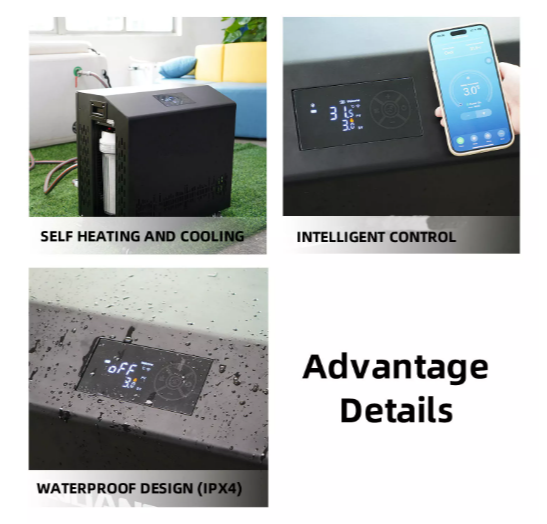
Cold tub chillers are also equipped with energy-saving features such as variable-speed compressors and smart temperature controllers. These technologies ensure that the system operates efficiently, keeping electricity usage to a minimum. As a result, cold tub chillers provide a high return on investment, especially for those who require frequent cold therapy or need to provide these services to clients.
Cold Tub Chiller Efficiency Explained
Temperature Control and Cooling Performance
Cold tub chillers excel in providing consistent and precise temperature control, typically maintaining water between 3°C and 7°C (39°F to 45°F), which is ideal for therapeutic cold plunges. This precise temperature regulation is essential for achieving the maximum benefits of cold therapy, such as reducing inflammation, enhancing recovery, and promoting blood flow.
High-performance models are equipped with digital thermostats that allow users to set and monitor the water temperature easily. The ability to adjust temperatures with precision ensures that the system meets specific therapeutic needs without fluctuation, providing a reliable cold therapy experience.
Energy Efficiency and Environmental Impact
Energy efficiency is one of the primary benefits of modern cold tub chillers. These systems use advanced cooling technology to minimize energy consumption, and many are rated for low energy use. By using variable-speed compressors and smart controllers, cold tub chillers can optimize energy usage, ensuring that the system only works as hard as necessary to maintain the set temperature.
Compared to traditional ice-based cooling methods, which waste both energy and water, cold tub chillers are a far more sustainable option. By reusing water and eliminating the need for ice, businesses can significantly reduce their environmental footprint while also lowering operating costs.
| System Type | Energy Consumption | Average Daily Cost | Energy Efficiency |
|---|---|---|---|
| Cold Tub Chiller (1HP) | 4.8 kWh/day | $0.725 | High |
| Ice (200 Liters) | N/A | $30 (per day for 200L) | Low |
Water Filtration and Cleanliness
Maintaining clean and safe water is a critical aspect of using a cold tub chiller. Many models come equipped with integrated filtration systems, which help keep the water clean for extended periods of use. These systems often include:
Ozone and UV filtration: These technologies help disinfect the water without the need for harsh chemicals, ensuring that the water stays fresh and hygienic for each use.
Water circulation: Cold tub chillers ensure that the water is continuously circulating, preventing stagnation and maintaining a consistent water temperature.
By keeping the water clean and free from contaminants, cold tub chillers ensure that the therapeutic benefits of cold therapy are maximized, while also minimizing maintenance requirements.
Installing a Cold Tub Chiller
| Step | Details |
|---|---|
| Choose Installation Location | Ensure enough space for both the tub and chiller. Provide good ventilation for the chiller. |
| Power and Water Supply | Check power supply requirements and ensure a stable water source for circulation. |
| Position the Tub and Chiller | Place the tub and chiller in a location that allows for easy access and maintenance. |
| Connect Components | Follow the manufacturer's guidelines to connect the chiller, pump, and filtration system. |
| Test the System | Run the system to check for leaks, ensure water circulation, and confirm correct temperature control. |
| Post-Installation Check | Verify temperature consistency and water flow. Ensure the filtration system is functioning properly. |
Preparing for Cold Tub Chiller Installation
Before installing a cold tub chiller, careful planning is necessary to ensure the system operates efficiently and safely. Here are some important factors to consider:
Location: Choose a location with enough space to accommodate both the cold tub and the chiller. Ensure there is proper ventilation to allow the chiller to dissipate heat and avoid overheating. Additionally, ensure that there is adequate clearance for maintenance access.
Power and Water Supply: Check that the power supply is sufficient for the chiller’s requirements and that water can be circulated efficiently through the system.
Choosing the right installation site is crucial for ensuring that the chiller operates at peak performance. Proper space and ventilation will also help extend the lifespan of the unit.
Step-by-Step Installation Process
Position the Tub and Chiller: Place the cold tub in the desired location, ensuring that there is enough room for both the tub and the chiller.
Connect the Components: Follow the manufacturer’s instructions to connect the chiller, pump, and filtration system. Make sure all fittings are securely attached to prevent leaks.
Test the System: Once the system is fully installed, run the chiller to ensure it is functioning correctly and cooling the water to the desired temperature. Check for leaks and ensure that water is circulating properly.
Post-Installation Checks and Adjustments
After installation, it’s important to check that the chiller is functioning as expected. Some key checks include:
Temperature Consistency: Ensure that the water reaches and maintains the desired temperature.
Water Flow: Confirm that the water is circulating smoothly and the filtration system is operating effectively.
Regular maintenance, such as cleaning the filters and checking the refrigerant levels, will ensure that the chiller remains in optimal working condition.
Cold Tub Chillers vs Ice: Which Is Better?
The Pros and Cons of Buying Ice
Pros
Ice has always been a go-to solution for cold therapy, especially in environments where a cold tub chiller is not available or is too costly. One of the main benefits is its convenience—ice is widely available and can be purchased in small quantities as needed, making it a flexible option for businesses or individuals with occasional cold therapy needs. It also provides the instant cooling necessary for short-term recovery sessions, making it useful for rapid relief in emergency or one-off situations.
Cons
However, the need for frequent ice purchases can quickly add up in cost, especially if therapy is being conducted on a regular basis. The expenses associated with transporting, storing, and continually replenishing ice make it less sustainable for long-term use. Additionally, ice melts over time, which can lead to fluctuating water temperatures and an inconsistent therapy experience. This fluctuation not only affects the effectiveness of the treatment but can also cause increased discomfort for users as the cold intensity wanes. Over time, managing ice-based therapy becomes more labor-intensive, especially in busy settings.
Why Cold Tub Chillers Are Superior
Cold tub chillers offer a significant advantage over ice by providing a consistent and controlled temperature, which is vital for the effectiveness of cold therapy. These units are specifically designed to maintain water temperatures at a precise level, typically between 3°C and 7°C (37°F to 45°F), which is the optimal range for reducing inflammation and promoting recovery. Unlike ice, which requires constant attention and replenishment, cold tub chillers operate automatically, offering steady cooling throughout the day or therapy session.
Moreover, cold tub chillers are designed to be more cost-effective in the long term. While the initial investment might be higher, the absence of recurring ice purchases results in significant savings over time. Cold tub chillers also come equipped with advanced features like digital thermostats, water filtration systems, and energy-efficient compressors. These features help ensure optimal performance, reduce maintenance costs, and maintain a clean, safe environment for regular use.
Another key benefit of cold tub chillers is their ease of use. Once installed, they require minimal manual intervention, eliminating the need to continuously manage ice. This makes them more reliable and less labor-intensive for businesses offering cold therapy services, whether in sports recovery centers, spas, or rehabilitation clinics. With features like temperature control and water filtration, cold tub chillers provide a cleaner, more consistent therapy experience, ensuring that users receive the full benefits of cold therapy every time.
Conclusion
Cold tub chillers provide an effective, cost-efficient, and energy-saving solution for cold therapy. They offer precise temperature control, water filtration, and long-term savings, making them ideal for athletes, wellness centers, and those needing consistent cold therapy. By understanding the costs, efficiency, and installation processes, you can make an informed decision to meet your cold therapy needs. QUAN GUAN offers high-quality cold tub chillers, providing reliable, efficient solutions for your cold therapy requirements.
FAQ
Q: What is a Cold Tub Chiller?
A: A Cold Tub Chiller is a refrigeration system designed to maintain and regulate water temperatures for cold therapy. It circulates water, keeping it at a steady, optimal temperature without needing ice.
Q: How does a Cold Tub Chiller work?
A: A Cold Tub Chiller uses either a water-cooled or air-cooled system to cool and circulate water. It maintains a consistent temperature, providing efficient cold therapy without the need for ice.
Q: What are the benefits of using a Cold Tub Chiller?
A: Cold Tub Chillers offer precise temperature control, energy efficiency, and long-term cost savings. They eliminate the need for ice and provide a more reliable and consistent therapy experience.
Q: How much does a Cold Tub Chiller cost?
A: The price of a Cold Tub Chiller ranges from $800 to $5,000, depending on the model's size, capacity, and features. Commercial models tend to be more expensive due to their higher performance and durability.
Q: Why is a Cold Tub Chiller more cost-effective than buying ice?
A: Over time, purchasing ice can become expensive and requires constant replenishment. A Cold Tub Chiller provides long-term savings by offering continuous cooling without the recurring costs of ice.