


Why Use an Ice Bath Chiller for Faster Recovery After Workouts
Views: 0 Author: Site Editor Publish Time: 2025-12-01 Origin: Site
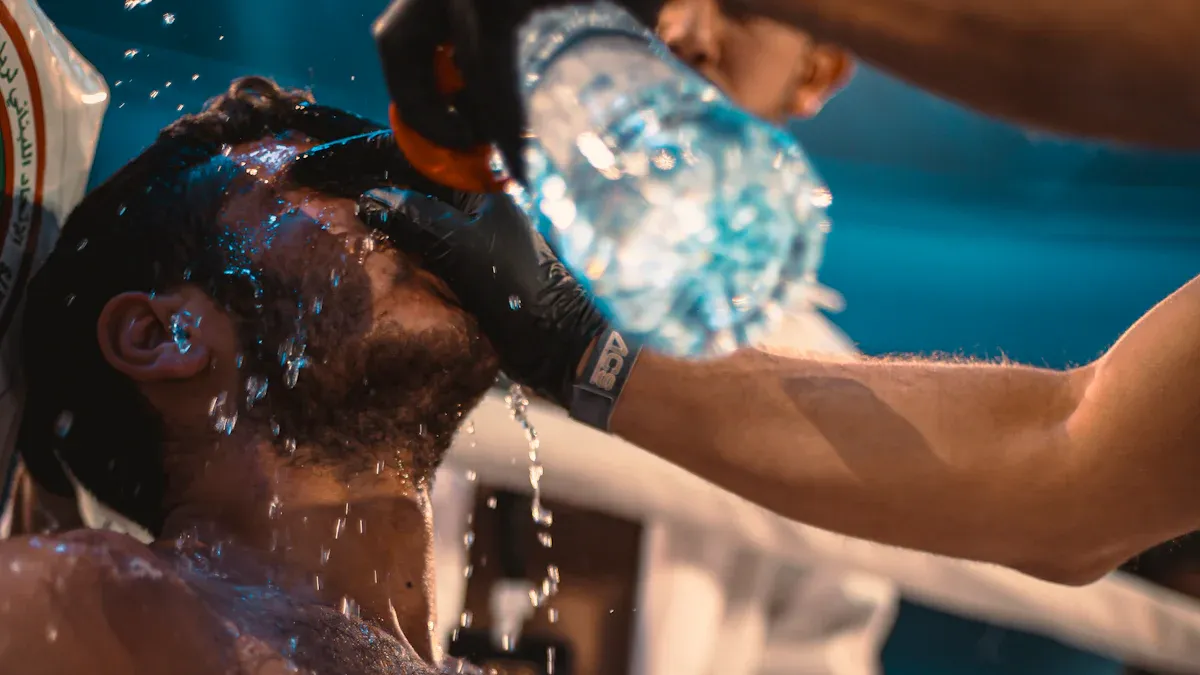
You want to speed up your post-workout recovery, and an ice bath chiller makes that possible by keeping water at the perfect cold temperature every time. This technology reduces inflammation and supports better circulation, which helps your muscles heal faster. Unlike traditional ice baths or cold plunges that need bags of ice, a chiller automates the process for a consistent experience. Studies show that cold therapy can decrease soreness and boost your recovery routine. The table below highlights some research findings:
| Study Source | Findings |
|---|---|
| Journal of Athletic Training | A 10-minute ice bath reduced inflammation and delayed-onset muscle soreness in collegiate athletes. |
| International Journal of Sports Medicine | A 15-minute ice bath reduced markers of muscle damage and inflammation in soccer players. |
| European Journal of Applied Physiology | A 10-minute ice bath increased blood flow in healthy individuals. |
| Journal of Science and Medicine in Sport | A 15-minute ice bath improved muscle function and reduced pain in athletes with muscle injuries. |
Key Takeaways
Ice bath chillers provide consistent cold temperatures, optimizing muscle recovery and reducing soreness after workouts.
Automated features in chillers save time and effort, allowing you to focus on recovery without the hassle of ice preparation.
Regular use of cold therapy can significantly decrease muscle soreness and inflammation, helping you bounce back faster.
Proper maintenance of your ice bath chiller ensures hygiene and extends its lifespan, making it a reliable recovery tool.
Cold water immersion improves circulation, delivering oxygen and nutrients to muscles, which aids in faster healing.
Investing in an ice bath chiller can save you money in the long run by eliminating the need for constant ice purchases.
Using a chiller allows for a cleaner and more efficient recovery experience, reducing the mess associated with traditional ice baths.
Athletes report enhanced mood and mental strength from regular cold exposure, making ice baths beneficial for both body and mind.
How Ice Bath Chillers Work
Cooling Technology
Temperature Control
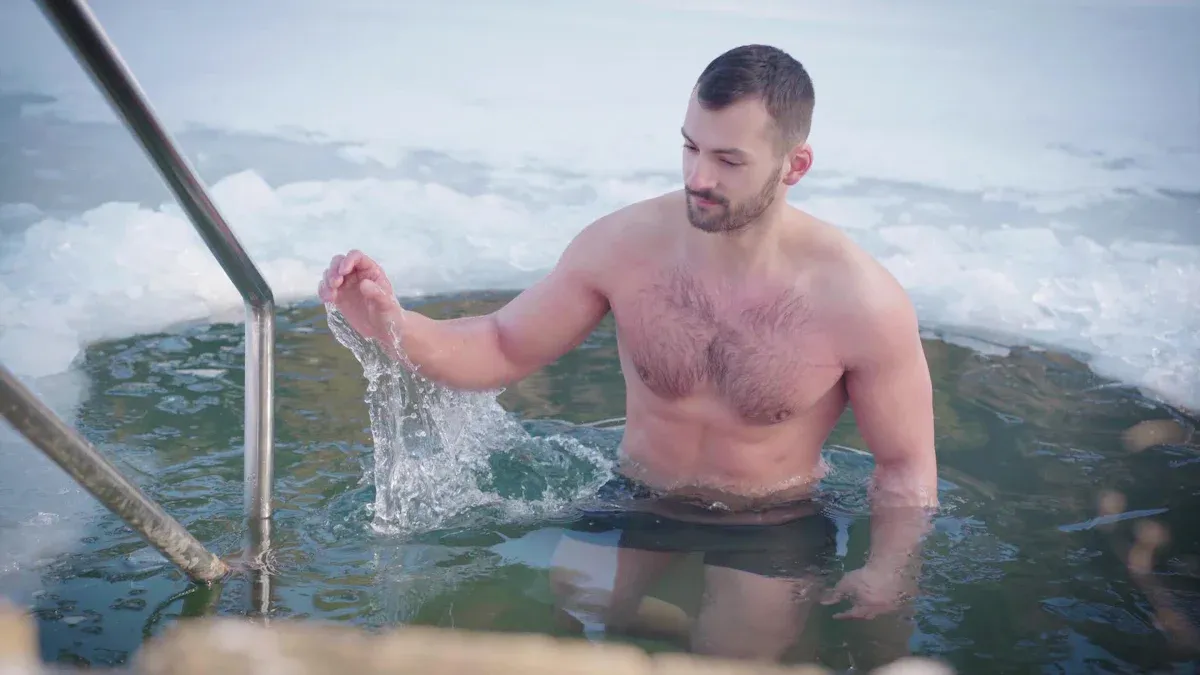
You get precise control over your recovery sessions with an ice bath chiller. The system uses advanced cooling technology to keep water at the exact temperature you set. This stability is crucial for muscle recovery because cold water therapy works best at consistent temperatures. Automated temperature control means you do not need to adjust anything manually. The chiller maintains the cold, so you always experience the same benefits every time you use it.
Tip: Consistent cold temperatures help your muscles recover faster and reduce soreness after intense workouts.
Here is a table showing how cooling technology in ice bath chillers supports your recovery:
| Feature | Description |
|---|---|
| Efficient Cooling | Provides rapid and effective cooling, maintaining precise temperatures crucial for recovery. |
| Durable and Reliable | Built with high-quality components for stable performance in continuous use. |
| Energy Efficiency | Operates with minimal power, reducing costs while ensuring effective cooling. |
| Easy Installation | User-friendly design for straightforward setup and operation. |
Automation Features
Modern ice bath chillers come packed with automation features that make your recovery routine easier. You can set automated ON/OFF schedules, so your chiller is ready when you need it. Remote power control lets you manage the system from anywhere, and mobile apps allow you to adjust the temperature without being near the unit. Touch screen controls make it simple to change settings, and you can even track your sessions to plan healthier routines.
| Feature | Description |
|---|---|
| Automated ON/OFF Schedules | Users can set the chiller to turn on or off automatically based on their routine, ensuring readiness. |
| Remote Power Control | Allows users to control the chiller from anywhere, enhancing convenience. |
| Temperature Control | Users can adjust the temperature via a mobile app, providing flexibility without physical presence. |
Touch screen controls provide an intuitive interface for adjusting settings easily.
Users can track their ice bath sessions and make healthy plans through the mobile app.
Automated temperature control in ice bath chillers keeps water temperatures consistent and optimal. This reliability is essential for effective cold water therapy. You do not need to make manual adjustments, so your recovery sessions stay dependable.
Setup Process
Installation Steps
Setting up a water chiller for ice bath is simple and quick. You select your desired temperature, and the chiller does the rest. There is no need to haul bags of ice or wait for them to melt. The system cools the water automatically and keeps it at the right temperature for as long as you need.
Here is a comparison of the setup process between ice bath chillers and traditional ice baths:
| Aspect | Ice Bath Chiller | Traditional Ice Bath |
|---|---|---|
| Preparation | Set desired temperature and wait for cooling | Fill tub with water and add ice |
| Temperature Control | Maintains consistent temperature | Ice melts unevenly, making control difficult |
| Maintenance | Built-in filtration and less frequent water changes | Requires constant ice replenishment and messy cleanup |
| Environmental Impact | Reduces plastic waste and uses less water | Involves single-use ice bags and more water usage |
| Hygiene | Cleaner with filtration and disinfection options | Can harbor bacteria in stagnant water |
You save time and effort with a water chiller for ice bath. The process is cleaner and more efficient than manually adding ice.
Maintenance Basics
Maintaining your ice bath chiller is straightforward. Regular cleaning and inspection keep the system running smoothly and extend its lifespan. You should clean the filters, use clean water, and check for leaks or unusual noises. Good ventilation prevents overheating, and cleaning the coils or condenser keeps energy use low.
Clean the filters regularly to ensure proper airflow and cooling efficiency.
Use clean or filtered water to prevent scaling and damage to the system.
Monitor for leaks and unusual noises to catch issues early.
Ensure adequate space around the chiller for airflow to prevent overheating.
Clean the coils or condenser to maintain energy efficiency.
Note: Regular maintenance can extend the lifespan of ice bath chillers to 5-8 years. Poor ventilation and high temperatures can reduce lifespan by several years.
Here is a table summarizing important maintenance steps:
| Maintenance Step | Importance |
|---|---|
| Regular cleaning | Prevents mold growth and maintains hygiene. |
| Inspection of components | Identifies potential mechanical failures before they escalate. |
| Proper storage | Avoids corrosion and damage during periods of inactivity. |
| Drain residual water | Prevents freezing and damage to pipes. |
| Use neutral detergents for cleaning | Avoids damage to materials from harsh chemicals. |
| Maintain humidity below 70% | Prevents damage to refrigeration units and materials. |
| Check power cord for aging | Ensures electrical safety and prevents malfunctions. |
| Reapply wood wax oil for wooden units | Prevents cracking and leaking of wooden components. |
| Ensure good ventilation | Extends the lifespan of the refrigeration unit by preventing overheating. |
| Regularly open windows for airflow | Ensures air circulation, which is crucial for maintaining equipment efficiency. |
You get a reliable and hygienic recovery experience with proper maintenance. Efficient operation and reduced energy consumption help you save money over time.
Science Behind Ice Baths for Recovery
Inflammation Reduction
When you use cold therapy after exercise, you help your body fight swelling and pain. Cold water immersion causes your blood vessels to constrict. This process, called vasoconstriction, lowers blood flow to the area and limits the buildup of inflammatory substances. You get less swelling and pressure on pain receptors, which means less discomfort.
Blood Vessel Constriction
Cold water therapy makes your blood vessels tighten. This action reduces local blood flow and slows the movement of inflammatory mediators. Your muscles feel less swollen, and you notice less pain after workouts. The table below explains how cold water immersion works to reduce inflammation:
| Mechanism | Description |
|---|---|
| Vasoconstriction | Cold water immersion induces vasoconstriction, reducing local blood flow and the accumulation of inflammatory mediators. |
| Reduced Local Metabolism | Lower tissue temperature slows metabolism, decreasing edema and interstitial fluid accumulation, alleviating pressure on pain receptors. |
| Comfort and Recovery | Medium-temperature CWI (11°C–15°C) balances cooling effect and comfort, promoting adherence to recovery protocols and enhancing blood flow. |
Soreness Relief
You often feel muscle soreness after intense exercise. Cold therapy helps relieve this soreness by lowering tissue temperature and slowing metabolism. You experience less swelling and pain. Studies show that cold water immersion can reduce muscle soreness and speed up muscle recovery. Here are some research findings:
| Study | Findings |
|---|---|
| Ascensão et al., 2011 | Highlights the role of inflammatory mediators in post-exercise swelling and pain. |
| Ihsan et al., 2016 | Demonstrates how CWI significantly inhibits the initial local inflammatory response. |
| Hohenauer et al., 2015 | Discusses the impact of cold water on tissue temperature and pain receptor stimulation. |
Circulation and Healing
Cold therapy does more than reduce inflammation. You also get improved circulation and faster healing. When you finish your ice bath, your blood vessels open up again. This process increases blood flow and helps deliver oxygen to your muscles.
Oxygen Delivery
After intense cold exposure, your body works to warm itself. Blood rushes back to your muscles, bringing fresh oxygen and nutrients. This boost helps your muscles repair faster and supports intense muscle recovery. You feel less tired and recover more quickly.
Muscle Repair
Regular cold water immersion can help treat chronic inflammation and support muscle repair. You may also see benefits like reduced cholesterol and better stress regulation. Many athletes use cold therapy to speed up recovery and reduce inflammation. You get stronger and healthier muscles with consistent use.
Tip: Cold water therapy works best when you use it regularly as part of your recovery routine.
Regular cold exposure can help treat chronic autoimmune inflammation.
It may help reduce high cholesterol through the activation of brown adipose tissue.
You may notice positive effects on stress regulation.
Many health benefits depend on your overall lifestyle.
You support muscle recovery and reduce muscle soreness with cold therapy. You also benefit from improved circulation and faster healing.
Ice Bath Chiller Benefits
Consistent Cold Temperatures
You get a major advantage when you use an ice bath chiller for your recovery routine. The system keeps water at a stable, cold temperature throughout your session. This consistency helps you optimize muscle recovery and makes cold therapy more effective than traditional ice baths or cold plunges. You do not need to worry about melting ice or fluctuating temperatures. Your body receives the same cooling effect every time.
Recovery Optimization
Stable cold temperatures play a key role in muscle recovery. When you immerse yourself in cold water, your muscle temperature drops. This process increases muscle viscosity and helps reduce muscle soreness after exercise. You also see improvements in recovery markers like serum creatine kinase (CK) and lactate levels. Cold therapy can decrease delayed onset muscle soreness (DOMS) for several days after a workout.
Here is a table that shows how consistent cold temperatures support recovery:
| Evidence Type | Findings |
|---|---|
| Cold Water Immersion | Decreases muscle temperature, increases muscle viscosity, and reduces performance in plyometric exercises. |
| Performance Impact | 17.5% decline in vertical jump performance immediately after cold water immersion. |
| Muscle Recovery | Cold water immersion reduces serum CK levels at 24 hours post-exercise, indicating improved muscle recovery. |
| Lactate Levels | Cold water immersion reduces lactate levels at 24 and 48 hours post-exercise. |
| Muscle Soreness | Cold water immersion significantly decreases DOMS levels compared to passive recovery. |
You benefit from faster muscle repair and less soreness when you use a water chiller for ice bath. A recent meta-analysis found that cooling reduced muscle soreness for several days after exercise. You also see lower plasma lactate and creatine kinase levels, which are signs of better recovery. However, some studies show that cooling may slow glycogen resynthesis in muscle, so you should balance cold therapy with other recovery methods.
Convenience and Hygiene
You save time and effort when you choose a water chiller for ice bath. The system automates the cooling process and keeps water at the right temperature. You do not need to buy bags of ice or wait for them to melt. Most users report that consistency and convenience are the top benefits of ice bath chillers. You also spend less money over time compared to traditional ice baths.
Filtration Systems
Filtration systems in ice bath chillers help you maintain a clean and safe bathing environment. These systems remove impurities and bacteria from the water, so you can use the same water for multiple sessions. You lower your risk of health problems caused by contaminated water. Clean water supports your recovery and keeps your skin healthy.
Filtration systems eliminate impurities and bacteria, ensuring the water remains clean for multiple uses.
This process fosters a healthier bathing environment, reducing health risks from contaminated water.
Easy Cleanup
You find it easier to clean and maintain a water chiller for ice bath than a traditional ice bath. Built-in filtration and automated cleaning features reduce the need for frequent water changes. You avoid messy ice and puddles. Most users say that ice bath chillers save time and energy. You get a more comfortable and consistent recovery experience.
Tip: Regular cleaning and maintenance keep your ice bath chiller running smoothly and extend its lifespan.
Many owners report cost savings, convenience, and consistent temperature as the main advantages. You do not need to worry about fluctuating temperatures or hygiene issues. Your recovery routine becomes easier and more effective.
Comparing Ice Bath Chillers and Traditional Ice Baths
Performance Differences
Effectiveness for Recovery
You want the best results from your recovery routine. Ice bath chillers and traditional ice baths both use cold therapy to help your body heal, but their performance can differ. Studies show that cold plunges and chillers can reach lower temperatures and keep them steady. This leads to better inflammation reduction and muscle recovery. The table below compares different methods:
| Method | Temperature | Inflammation Reduction | Muscle Recovery Boost |
|---|---|---|---|
| Ice Bath | 8°C | 25% drop in CRP | 10-15% boost in power recovery |
| Cold Plunge (Medical Breakthrough Frozen 6) | 3°C | 30% drop in CRP | 15-20% boost in power recovery |
| Cryo Innovations XR Cryo Plunge | 3°C | 20-25% drop in IL-6 | 10-15% strength recovery gain |
| Dundalk Leisure Craft Glacier Plunge Tub | 3°C | 15-20% drop in inflammation | 5-10% recovery lift |
You see that lower and stable temperatures from chillers and cold plunges can give you a bigger drop in inflammation and a stronger boost in muscle recovery. This means you can feel less muscle soreness and return to training faster.
User Experience
Comfort and Accessibility
Your comfort matters during cold therapy. Ice bath chillers offer precise temperature control, so you do not have to worry about water getting too warm or too cold. You can set your preferred temperature and enjoy a steady experience. Regular ice baths often have water that warms up quickly as the ice melts, which can make your session less effective.
Here is a table that shows how user experience compares:
| Feature | Ice Bath Chiller Machine | Regular Ice |
|---|---|---|
| Temperature Control | Precise and stable | Fluctuating as ice melts |
| Convenience | Easy to maintain and use | Requires frequent ice |
| Cost | Higher initial investment | Low cost upfront |
| Efficiency | Optimal cooling for longer | Short-term cooling |
| Durability | Built for repeated use | Needs new ice each time |
| Safety | Monitors temperature | Risk of cold spots |
| Professional Use | Used in sports centers | Good for home use |
You get more comfort and safety with an ice bath chiller. You do not need to buy ice or check the water temperature often. This makes cold therapy more accessible and enjoyable, especially if you use it often.
Cost Considerations
Investment vs. Ongoing Costs
You may wonder about the cost difference. A traditional ice bath costs less at first. You can buy a stock tank for $50 to $150. However, you need to buy ice for every session. If you use ice baths three times a week, you could spend over $6,000 a year just on ice. Cold plunges and chillers cost more upfront, usually between $1,000 and $3,000, but you do not need to buy ice every week.
Here is a cost comparison:
| Cost Factor | Ice Bath (DIY) | Cold Plunge Tub (Mid-Range) |
|---|---|---|
| Initial Equipment | $120 | $3,500 |
| Ice per Session | $40 | $0 |
| Weekly Ice Cost (3x/week) | $120 | $0 |
| Annual Ice Total | $6,240 | $0 |
| Water & Drainage | $50 | $50 |
| Cleaning Supplies | $60 | $40 |
| Electricity | $0 | $180 |
| Maintenance & Repairs | $30 | $150 |
| Total Annual Cost | $6,510 | $3,920 |
The initial cost of an ice bath chiller ranges from $1,000 to $3,000.
Traditional ice baths can cost $5 to $15 weekly for ice, which adds up to over $6,000 a year.
The total annual cost for a DIY ice bath is about $6,510, while a mid-range cold plunge tub costs around $3,920.
You save money in the long run with an ice bath chiller. The payback period is usually 6 to 12 months. After that, your ongoing costs stay low, and you get reliable cold therapy for your recovery routine.
Choosing a Water Chiller for Ice Bath
Selecting the right water chiller for ice bath use can make your cold therapy routine more effective and enjoyable. You want a system that fits your space, meets your cooling needs, and keeps your muscle recovery sessions consistent. Let’s look at the key features you should consider and some recommended brands.
Key Features
Temperature Range
You need a water chiller for ice bath that can reach and maintain low temperatures. Most cold plunges work best at temperatures between 39°F (3°C) and 59°F (15°C). Consistent temperature control is crucial for cold therapy. Look for chillers with powerful cooling capacity that can handle your tub’s volume and your local climate. Models with digital controls let you set and monitor the temperature easily.
Portability
Portability matters if you plan to move your ice bath setup or use it in different locations. Inflatable tubs offer easy transport, while hard-shell tubs provide durability. You should measure your available space and choose a system that fits comfortably. Some chillers come with wheels or handles for easier movement.
Filtration
Clean water supports your muscle health and keeps your cold therapy sessions safe. Effective filtration systems remove impurities and bacteria, reducing the need for frequent water changes. UV disinfection and built-in filters help maintain hygiene. You should check for easy-to-clean filters and sanitation options when choosing your chiller.
Tip: Modern chillers often include smart features like Wi-Fi connectivity and remote controls, making your recovery routine more convenient.
Here is a table summarizing important features to consider:
| Feature | Why It Matters |
|---|---|
| Cooling Capacity | Ensures water stays cold for effective therapy |
| Energy Efficiency | Saves money on electricity |
| Noise Levels | Keeps sessions quiet, especially indoors |
| Reliability | Durable materials last longer |
| Setup & Maintenance | Easy installation and cleaning |
| Smart Features | Adds convenience with remote control options |
| Budget | Helps you find a system within your price range |
Recommended Brands
Quang Ice Bath Options
Quang Ice Bath stands out for its affordable and innovative water chiller for ice bath systems. You get high-quality chillers at prices up to five times lower than other brands. Quang uses components from mass-produced chest freezers, which helps keep costs down without sacrificing performance. Their chillers maintain low temperatures for cold plunges and muscle recovery, making them a smart choice for home or gym use.
Other Choices
You can also consider brands like The Ice Pod and Penguin Chillers. The Ice Pod offers chillers that keep water as cold as 39°F (3°C) with continuous flow and filtration. Penguin Chillers, when paired with insulated tubs, provide efficient cooling and reduce the need for ice. These options deliver consistent cold therapy and support your muscle recovery goals.
Choose chiller-based tubs for convenience and steady temperature control.
Evaluate the chiller’s power to ensure it cools effectively in your climate.
Check the tub’s size and capacity for comfort.
Look for strong filtration and sanitation systems.
Assess build quality and insulation for durability and energy savings.
Make sure the system is easy to use, with digital controls and simple draining.
Compare prices to find the best value for your needs.
Consistent temperature control is crucial for a therapeutic ice bath. Look for models that can reliably maintain temperatures as low as 39°F, ensuring a reliable wellness tool.
You can improve your cold therapy routine and muscle recovery by choosing a water chiller for ice bath that fits your needs and budget.
Setting Up Your Ice Bath Chiller
Preparation Steps
Space and Safety
You need to prepare your space and yourself before starting your first ice bath chiller session. Choose a flat, stable surface that supports the weight of the filled tub and chiller. Make sure the area has good ventilation and is free from clutter. Keep electrical outlets dry and away from water to prevent accidents.
Prepare mentally and physically by taking a very cold shower before your first session.
Decide on your starting temperature and how long you want to stay in the bath.
Learn simple breathing techniques to help manage the cold sensation.
You should always keep safety in mind. Here are some important steps to follow:
Keep It Clean: Start with fresh, clean water for each session to avoid bacteria.
Gather Your Safety Gear: Have a thermometer, timer, and warm towels ready before you enter the ice bath.
Hydrate and Fuel Properly: Drink 16-20 ounces of water an hour or two before your plunge. Avoid alcohol and caffeine.
Never Plunge Alone: Make sure someone is nearby who knows what to do if you need help.
Always prioritize hygiene and have someone else nearby, especially when starting out, to assist in case of an emergency.
Best Practices
Session Duration
You want to get the most out of your ice bath chiller sessions. For best results, keep the water temperature between 52-60°F (11-15°C). Stay submerged for 11-15 minutes. This range helps your muscles recover without putting too much stress on your body.
Start slow to help your body adapt to colder temperatures.
Limit sessions to 10-15 minutes to avoid adverse effects.
Monitor your body's response during and after the session.
After your bath, warm up gradually. Avoid jumping into a hot shower right away. Use a towel and light movement to help your body adjust.
Water Quality
Clean water is essential for a safe and effective ice bath. Always use fresh or filtered water. Built-in filtration systems help keep the water free from bacteria and impurities. Check the water before each session. Change it regularly, especially if you notice any cloudiness or odor.
Rehydrate after your bath with water or an electrolyte drink.
Consider light stretching or gentle movement to support muscle recovery.
Maintain your chiller and filters according to the manufacturer's instructions.
Tip: Good water quality and proper maintenance keep your ice bath chiller safe and effective for every session.
By following these steps and best practices, you create a safe, comfortable, and effective recovery routine with your ice bath chiller.
Expert Insights and Testimonials
Athlete Experiences
Recovery Stories
You can learn a lot from athletes who use ice bath chillers for recovery. Many professional athletes rely on cold water immersion to bounce back after tough workouts. They often share that ice baths help them recover faster and reduce muscle soreness and pain. These baths become especially important during intense training periods when your body needs extra support.
Ice baths speed up recovery and help treat muscle soreness.
They play a key role during heavy training or competition.
Cold water immersion helps you feel less tired and boosts your performance.
"Athletes like LeBron James and Serena Williams praise cold plunge therapy for its ability to reduce muscle soreness and improve recovery times, making it a favored method among professionals."
You may also notice that ice baths do more than help your body. Many athletes say that cold plunges boost their mood and mental strength. This mental edge can make a big difference when you face stress during training or competition.
Here are some benefits athletes report:
Less muscle soreness and inflammation after workouts.
Better circulation, which brings more oxygen and nutrients to your muscles.
Faster healing from small injuries and muscle tears.
Trainer Tips
Maximizing Results
You can get the most out of your ice bath chiller by following advice from professional trainers. They recommend using water temperatures between 50°F and 59°F for 10 to 15 minutes. Try to soak within 20 minutes after your workout for the best results. A regular schedule of two to three ice baths each week can help you recover faster.
Use water near 50–59°F for 10–15 minutes.
Soak soon after your workout, within 20 minutes if possible.
Plan for two or three sessions each week, or more if you have an injury.
Here is a simple guide to help you maximize your recovery:
Temperature & Duration: Aim for 50°F–59°F (10°C–15°C) for 8–12 minutes. If you are new, start with 5–6 minutes.
Timing: Begin your ice bath within 20–30 minutes after exercise. For injuries, use within the first 48 hours.
Submersion Level: Go up to your waist for lower-body recovery. For upper-body, submerge up to your chest.
Hydration & Warm-Up: Drink water before and after. Move gently to keep your blood flowing.
Frequency: Try two to three times a week after hard workouts. Use daily if you are recovering from an injury.
Cold-water immersion causes your blood vessels to tighten, which helps control swelling and pain. When you finish, your blood vessels open up again, sending fresh blood and nutrients to your muscles. This process helps you heal and feel better faster.
You can build a strong recovery routine by following these tips. Ice bath chillers give you a reliable way to support your body and mind after every workout.
You gain faster recovery, reduced soreness, and better hygiene when you use an ice bath chiller. The system keeps water cold and clean, making ice baths and cold plunges more convenient. You avoid messy setups and enjoy precise temperature control. Quang Ice Bath offers low noise, easy maintenance, and app control. The table below highlights key benefits:
| Benefit | Description |
|---|---|
| Faster Muscle Recovery | Speeds up healing after workouts |
| Improved Circulation | Boosts blood flow for better health |
| Consistent Temperatures | Maintains optimal cold for every session |
Ice bath chillers outperform traditional ice baths by providing reliable, hassle-free cold therapy.
Quang Ice Bath stands out for efficiency and compatibility with most bathtubs.
FAQ
What is the ideal temperature for ice baths?
You should keep ice baths between 50°F and 59°F. This range helps your muscles recover and reduces soreness. Most experts recommend staying in this temperature zone for the best results.
How long should you stay in ice baths?
You should stay in ice baths for 10 to 15 minutes. This duration supports muscle recovery and reduces inflammation. Start with shorter sessions if you are new to cold therapy.
Are ice baths safe for everyone?
Most people can use ice baths safely. You should talk to your doctor if you have heart problems or circulation issues. Always listen to your body and stop if you feel dizzy or numb.
How often should you use ice baths for recovery?
You can use ice baths two to three times a week after hard workouts. Regular use helps your muscles heal faster and reduces soreness. Adjust frequency based on your training intensity.
Do ice baths help with injury recovery?
Ice baths can reduce swelling and pain after minor injuries. You should use them soon after exercise or injury for the best effect. They help your body recover and support healing.
What equipment do you need for ice baths at home?
You need a tub, clean water, and a reliable chiller. Quang Ice Bath offers affordable and effective chillers for home use. Filtration systems help keep your water clean and safe.
Can ice baths improve mental health?
Ice baths may boost your mood and help you manage stress. Cold exposure can trigger endorphin release. Many athletes say ice baths help them feel more focused and relaxed.
How do you keep ice baths clean and hygienic?
You should use filtration systems and change water regularly. Clean your tub and chiller often. Good hygiene keeps ice baths safe and effective for every session.
Tip: Always check water temperature before starting ice baths to avoid discomfort or injury.
| Ice Bath Benefit | Description |
|---|---|
| Faster Recovery | Speeds up muscle healing |
| Reduced Soreness | Less pain after workouts |
| Improved Hygiene | Cleaner water with filtration |