


What Do 3 Minutes in An Ice Bath Do?
Views: 0 Author: Site Editor Publish Time: 2026-03-19 Origin: Site
1. Introduction
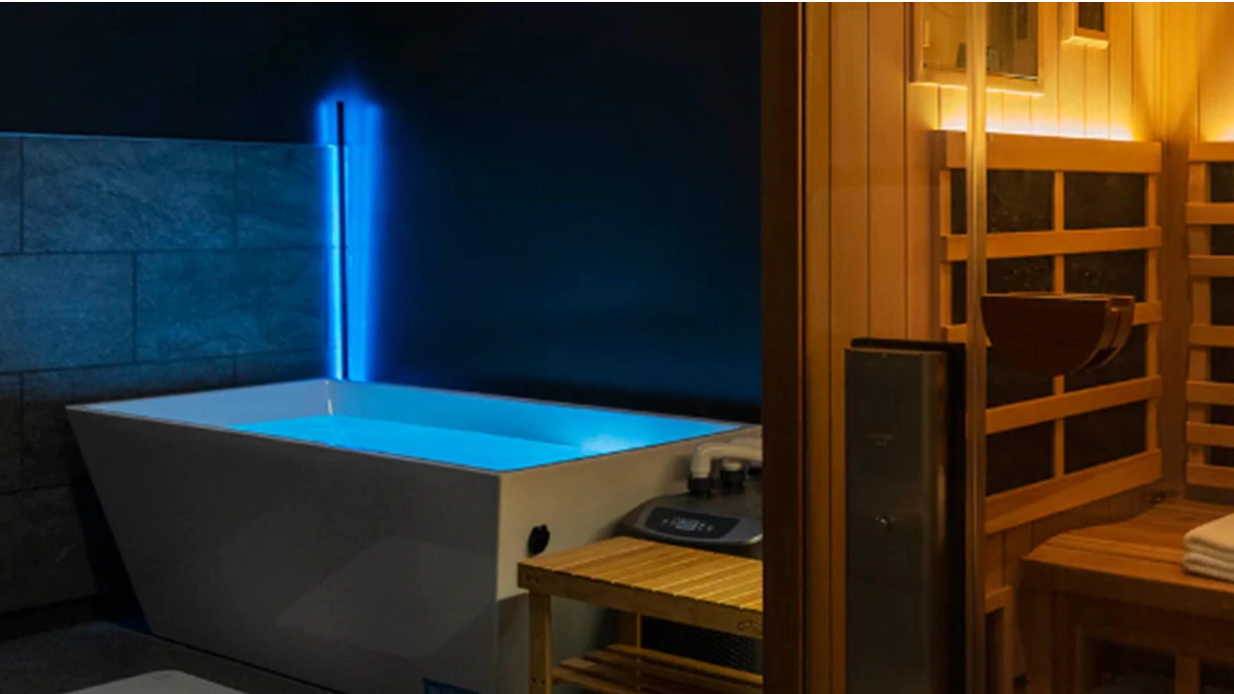
Ice baths have become a popular recovery tool for athletes and fitness enthusiasts alike. But what does just three minutes in an ice bath do for your body? In this article, we will explore the science behind ice bath therapy and its numerous benefits, including its effects on muscle recovery and mental clarity. You will also learn how an ice bath chiller can enhance your experience by maintaining the perfect cold temperature for optimal results.
2. The Science Behind Ice Baths
2.1 How Ice Baths Affect the Body
Vasoconstriction and Recovery
When you submerge your body into cold water, the body undergoes a process called vasoconstriction. This is when blood vessels constrict, reducing blood flow to the muscles. While this may sound counterintuitive, it is, in fact, a protective mechanism that helps limit inflammation and swelling. As the cold shock initially restricts circulation to the muscles, it prevents the buildup of inflammatory markers, which are responsible for causing soreness and discomfort after intense physical exertion.
Once you exit the ice bath, the blood vessels dilate, a process called vasodilation. This increases blood flow, allowing oxygen and essential nutrients to rush back into the muscles, accelerating the repair and recovery process. This "flush" of blood helps remove metabolic waste products, such as lactic acid, that can accumulate in the muscles during exercise.
Reducing Inflammation
One of the key benefits of ice baths is the reduction of inflammation. After an intense workout or physical activity, muscles can become inflamed and sore, leading to delayed onset muscle soreness (DOMS). Ice baths provide relief by reducing the inflammatory response and helping to speed up recovery. By decreasing the levels of inflammation, ice baths help alleviate the discomfort associated with DOMS, enabling athletes and fitness enthusiasts to get back to their training faster.
2.2 The Role of the Nervous System
Cold Shock Response
Entering cold water triggers what is known as the "cold shock response." This physiological reaction causes a rapid increase in heart rate, blood pressure, and an intense gasping reflex due to the body’s sudden exposure to extreme cold. While this initial shock is uncomfortable, it activates the body's sympathetic nervous system, which is responsible for the "fight or flight" response. This response enhances circulation, boosts alertness, and improves focus, which can be beneficial for both physical and mental recovery.
In the long term, regular cold exposure may also enhance the body's ability to handle stress and improve its ability to recover from physically demanding situations.
Boosting Mental Clarity
Ice baths have a significant impact on mental clarity and focus. The cold shock response stimulates the release of neurotransmitters, such as norepinephrine and dopamine, which are associated with improved mood, enhanced focus, and better cognitive performance. Many individuals report feeling a sense of mental rejuvenation and clarity following an ice bath, which can be especially beneficial for athletes who need to focus on their performance. Additionally, the practice can help reduce anxiety and promote an overall sense of well-being.
3. Health Benefits of a 3-Minute Ice Bath
3.1 Muscle Recovery
Reducing Delayed Onset Muscle Soreness (DOMS)
Delayed onset muscle soreness (DOMS) is the muscle pain and stiffness that occurs after unfamiliar or strenuous exercise. Ice baths have been shown to significantly reduce the symptoms of DOMS. By limiting the inflammation in muscles and speeding up the removal of metabolic waste products, ice baths help reduce muscle pain and promote faster recovery. For athletes, reducing the severity of DOMS is crucial to maintaining a consistent training schedule, as it allows them to resume physical activity with less discomfort.
Post-Workout Benefits
A 3-minute ice bath can be highly effective immediately after a workout. Post-exercise, muscles are fatigued, inflamed, and may even experience microscopic tears. Immersing the body in ice water helps reduce swelling and inflammation, minimizing post-workout muscle soreness. Additionally, the improvement in circulation after exiting the ice bath aids in the delivery of nutrients to muscles, which accelerates their repair and recovery. As a result, ice baths allow athletes to recover more quickly and continue their training with minimal downtime.
3.2 Circulation and Blood Flow
Enhanced Circulation Post-Bath
Once an individual exits the ice bath, the body experiences a rapid rebound effect known as "reperfusion." This is when blood vessels that were constricted due to the cold exposure dilate, allowing for a rush of oxygen-rich blood to the muscles. The sudden increase in blood flow helps expedite tissue repair, flush out toxins, and deliver the necessary nutrients for muscle recovery. This enhanced circulation is one of the primary reasons ice baths are so effective for recovery, making them an essential tool for athletes who require quick healing after intensive exercise.
Improved Lymphatic Drainage
The lymphatic system plays a crucial role in eliminating toxins and waste products from the body. Ice baths have been shown to promote lymphatic drainage by improving circulation and reducing the buildup of metabolic waste in the body. By stimulating lymphatic flow, ice baths help detoxify the body and support the immune system. This process is particularly beneficial for those who engage in regular exercise or have strenuous physical jobs, as it assists in maintaining overall health and well-being.
4. Is 3 Minutes Enough for an Ice Bath?
4.1 Ideal Duration for Optimal Results
The Science of Timing
Research suggests that 3 minutes in an ice bath is sufficient to achieve significant recovery benefits. This duration allows the body to experience the physiological effects of cold exposure, such as reduced inflammation and improved circulation, without subjecting the body to the risks of prolonged exposure to extreme cold. While longer immersion times may provide further benefits, they are often not necessary and could lead to health risks, including frostbite and hypothermia. Therefore, three minutes strikes the ideal balance between effectiveness and safety.
Duration of Ice Bath | Benefits | Risks |
1-2 Minutes | Initial reduction in inflammation | Limited benefits |
3 Minutes | Significant muscle recovery, reduced soreness | Minimal risk |
5+ Minutes | Deep inflammation reduction | Increased risk of frostbite |
Individual Variability
It’s important to note that the ideal duration can vary depending on an individual’s body type, fitness level, and cold tolerance. For those new to ice baths, it’s advisable to start with shorter durations (around 1-2 minutes) and gradually work up to three minutes. Additionally, people with lower body fat percentages may tolerate cold better and can sometimes go longer, while others may need to cut their time shorter for safety.
4.2 Risks of Overdoing It
Hypothermia and Frostbite
While ice baths offer a variety of health benefits, overexposure to cold can lead to serious risks such as hypothermia and frostbite. Hypothermia occurs when the body’s core temperature drops too low, while frostbite is the freezing of body tissue. These risks are more prevalent when the duration of cold exposure exceeds the recommended 3-minute window. It is crucial to monitor your body’s signals and exit the ice bath immediately if you feel too cold or experience numbness.
5. Alternatives to Ice Baths
5.1 Cryotherapy vs. Ice Baths
Comparing the Two
Cryotherapy, a modern alternative to ice baths, involves exposure to extremely cold temperatures in a controlled chamber. While both cryotherapy and ice baths aim to reduce inflammation and accelerate recovery, cryotherapy is typically done for shorter durations and at much lower temperatures. Ice baths, on the other hand, provide full-body immersion, which some people prefer for overall recovery. Each method has its own set of advantages, and it may come down to personal preference and access to facilities.
5.2 Other Recovery Techniques
Active Recovery
While ice baths are beneficial, they are often most effective when combined with other recovery methods. Active recovery techniques, such as light jogging, stretching, or foam rolling, can further enhance circulation and reduce muscle stiffness. These methods complement the effects of ice baths by promoting continued blood flow to the muscles, which aids in their repair and recovery.
6. How to Use an Ice Bath Chiller
6.1 Benefits of Using an Ice Bath Chiller
Consistent Cold Temperature
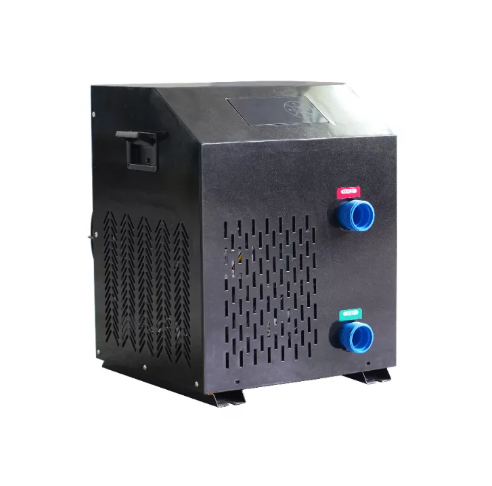
Using an ice bath chiller is the best way to maintain a consistent cold temperature throughout your session. Many people struggle with keeping the water cold enough by using traditional ice or ice packs, but an ice bath chiller maintains the ideal temperature for the entire duration of the bath. This ensures that the body is exposed to the cold for long enough to experience the full benefits of the therapy.
Convenience and Ease of Use
An ice bath chiller makes it easier to incorporate cold water therapy into your routine. It eliminates the need to constantly add ice and ensures that the water remains cold enough for effective recovery. For athletes or individuals who need regular recovery sessions, the chiller is a game-changer, making the process more convenient and efficient.
6.2 Setting Up and Using the Chiller
Step-by-Step Guide
1. Fill your tub with cold water.
2. Set the temperature on the chiller (10-15°C or 50-59°F).
3. Submerge your body in the water for three minutes.
4. Exit the bath slowly and warm up gradually.
Maintaining the Chiller
To keep your ice bath chiller functioning optimally, it is important to perform regular maintenance. This includes cleaning the unit periodically, checking for ice blockages, and ensuring the unit is free from dirt or debris. Proper maintenance ensures the chiller continues to provide consistent cooling for many sessions.
7. Conclusion
A 3-minute ice bath is effective for muscle recovery, reducing inflammation, and enhancing mental clarity. Cold exposure offers well-documented benefits, making ice baths essential for athletes and fitness recovery. Practicing safe ice bath therapy is crucial. Monitoring your body’s response and using an ice bath chiller can ensure consistent temperature, maximizing the benefits. Guangdong Quanguan Intelligent Technology Co., Ltd. provides reliable ice bath chillers, offering convenience and efficiency for consistent cold therapy.
FAQ
Q: What are the benefits of a 3-minute ice bath?
A: A 3-minute ice bath helps reduce muscle soreness, improve circulation, and enhance mental clarity. It accelerates recovery by limiting inflammation and promoting blood flow.
Q: How does an ice bath chiller improve the experience?
A: An ice bath chiller maintains a consistent cold temperature throughout your session, ensuring optimal results and making cold therapy more convenient and effective.
Q: Can a 3-minute ice bath help with inflammation?
A: Yes, a 3-minute ice bath reduces inflammation by constricting blood vessels and limiting the buildup of inflammatory markers, aiding in faster recovery.
Q: Why should I use an ice bath chiller instead of ice?
A: An ice bath chiller ensures the water temperature remains consistent throughout the session, avoiding the need for constant ice replenishment and making the process more efficient.
Q: How often should I take an ice bath?
A: Ice baths are most effective when taken after intense workouts or sports activities. A 3-minute bath every few days can help with muscle recovery and soreness.
Q: Can I stay in an ice bath for longer than 3 minutes?
A: While some may benefit from longer baths, 3 minutes is considered the optimal duration to avoid risks such as hypothermia. Always listen to your body.