


How to use an ice bath chiller?
Views: 0 Author: Site Editor Publish Time: 2026-03-26 Origin: Site
1. Introduction
An ice bath chiller can revolutionize your recovery routine. Have you ever struggled with fluctuating water temperatures in traditional ice baths? With an ice bath chiller, you can maintain the perfect cold temperature throughout your session.
In this article, we will explore how an ice bath chiller works, the benefits it offers, and how to use it effectively. You will also learn tips for maximizing its performance and ensuring a safe and consistent cold therapy experience.
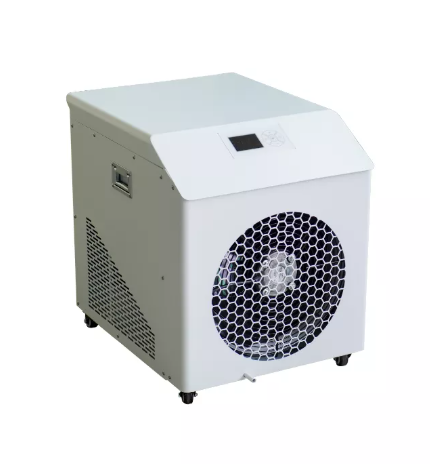
2. How Does an Ice Bath Chiller Work?
2.1 The Basics of an Ice Bath Chiller
Cooling Mechanism
An ice bath chiller works through a cooling system that circulates cold water throughout the tub or container. The chiller typically contains a refrigeration unit or compressor that cools the water to the desired temperature. It then maintains this temperature by continuously circulating the water, ensuring that the cold is evenly distributed.
By continuously circulating the cold water, the chiller helps maintain the desired temperature for longer periods, making it more effective than ice alone. This steady circulation not only keeps the water consistently cold but also prevents the build-up of warm spots, providing a uniform experience for the user.
Energy Efficiency
Another significant benefit of an ice bath chiller is its energy efficiency. Traditional ice baths require large quantities of ice to maintain cold temperatures, and ice quickly melts, requiring constant replenishment. On the other hand, an ice bath chiller uses refrigeration technology to cool the water without wasting energy on ice production.
By using less energy to maintain a stable temperature, ice bath chillers help reduce the environmental impact of cold therapy and make it a more sustainable option for athletes and recovery centers. Additionally, using a chiller saves both time and money as there is no need to continually buy or produce ice.
2.2 Comparing Traditional Ice Baths vs. Ice Bath Chillers
Traditional Ice Baths
In a traditional ice bath, large amounts of ice are added to cold water in a tub. The ice helps cool the water, but as it melts, the water temperature rises, reducing the effectiveness of the therapy. Users need to replenish the ice multiple times during a session to keep the water cold, which can be both inconvenient and costly. Additionally, there is little control over the exact temperature of the water, making the experience less predictable and harder to manage.
Advantages of Ice Bath Chillers
In contrast, an ice bath chiller eliminates the need for ice altogether. Instead, it cools and circulates water efficiently, maintaining a stable temperature throughout the session. This means that athletes and fitness enthusiasts can focus on their recovery without worrying about replenishing ice or temperature fluctuations. The chiller provides a more reliable and controlled experience, ensuring that cold therapy is effective and convenient.
Feature | Traditional Ice Bath | Ice Bath Chiller |
Temperature Control | Fluctuates with ice melting | Consistent and precise |
Ice Replenishment | Frequent | No need for ice |
Energy Efficiency | High, due to constant ice | Low, efficient cooling system |
Setup Time | Longer, ice procurement | Quick setup, automated process |
3. Step-by-Step Guide to Using an Ice Bath Chiller
3.1 Setting Up the Ice Bath Chiller
Preparing the Tub
To begin, you need to prepare your tub for the cold immersion. The tub should be large enough for your body to fit comfortably, allowing for full submersion. Clean the tub thoroughly to remove any dirt or contaminants that could affect the water quality. Fill the tub with enough water to cover the body parts that you wish to target, typically up to the waist or chest for full-body immersion.
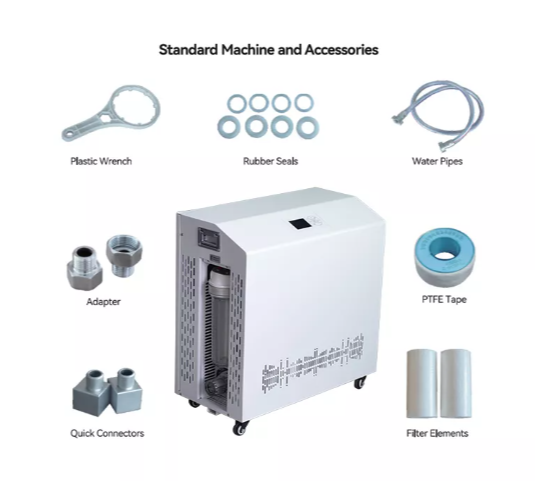
Once the tub is ready, place the ice bath chiller in the designated space, ensuring it is connected correctly to the water circulation system. Check the instructions for the specific model you are using to ensure proper setup. Many ice bath chillers come with built-in filtration systems that help keep the water clean throughout the session.
Adjusting the Temperature
Most ice bath chillers allow you to set the desired temperature for your session. The ideal temperature for cold therapy is typically between 10-15°C (50-59°F). Depending on the level of cold exposure you desire, you can adjust the temperature within this range. It’s important to check the settings before entering the bath to ensure that the water is at the correct temperature.
Some chillers offer digital controls, while others may have manual dials. Follow the manufacturer’s guidelines to ensure the chiller is operating at its optimal capacity.
3.2 Immersion and Timing
Optimal Duration
For the best results, it’s recommended to stay in the ice bath for about 3 minutes. This period is long enough to experience the benefits of cold exposure, such as reducing inflammation and promoting muscle recovery. Staying in the bath for longer periods can lead to adverse effects, such as hypothermia, so it’s important to limit the duration.
Safety Measures
While using an ice bath chiller, safety is critical. Always listen to your body and exit the bath if you start to feel lightheaded, numb, or uncomfortable. To help your body adjust, begin with shorter sessions and gradually work your way up to the recommended duration. You can also start with colder water if you're new to ice baths, then increase the temperature as your body gets used to the cold exposure.
4. Benefits of Using an Ice Bath Chiller
4.1 Consistency and Control
Maintaining Ideal Temperatures
One of the biggest advantages of using an ice bath chiller is its ability to maintain a consistent temperature throughout the session. Unlike traditional ice baths, which fluctuate as the ice melts, an ice bath chiller ensures that the water stays at the desired temperature for the entire duration of your cold therapy. This consistency is essential for maximizing recovery and enhancing the cold immersion experience.
Eliminating Ice Replenishment
With an ice bath chiller, there is no need for constant ice replenishment. This eliminates the hassle of constantly adding new ice to maintain cold water. The chiller’s cooling mechanism efficiently regulates the temperature, saving time, energy, and money. It also ensures that the water remains cold for longer, providing a continuous and uninterrupted recovery session.
4.2 Enhanced Recovery
Muscle Recovery
An ice bath chiller accelerates muscle recovery by ensuring that cold therapy is applied in a controlled and consistent manner. Cold immersion helps reduce inflammation and muscle soreness, speeding up recovery after workouts, intense physical activity, or injury. The stable temperature provided by the chiller helps keep your muscles relaxed and supports faster healing by improving circulation.
Mental Clarity
In addition to physical recovery, ice baths also have a mental component. Cold exposure stimulates the nervous system, promoting mental clarity and focus. Many users report feeling more alert and focused after using an ice bath chiller. Regular cold exposure can also help with stress relief, providing a calming effect on both the body and mind.
5. Troubleshooting Common Issues with Ice Bath Chillers
5.1 Temperature Fluctuations
Addressing Temperature Issues
If the water temperature fluctuates unexpectedly, it may be due to an issue with the chiller’s cooling mechanism. Common problems include clogged filters or insufficient cooling capacity. Ensure that the chiller is connected correctly and that the filters are clean. If issues persist, consult the manufacturer’s troubleshooting guide or seek professional maintenance.
Maintaining Optimal Performance
To maintain optimal performance, regularly clean the chiller’s components, such as filters and cooling pipes. Keeping the unit well-maintained ensures that it operates efficiently and effectively throughout its lifespan.
5.2 Equipment Maintenance
Cleaning the Chiller
Proper maintenance of the ice bath chiller is essential for its longevity. Clean the unit regularly, especially the filters and water circulation system, to prevent the buildup of debris. Follow the manufacturer’s instructions on cleaning and maintaining your chiller to ensure it continues to function optimally.
Longevity Tips
Regular maintenance can extend the lifespan of your ice bath chiller. Store the chiller in a dry, cool place when not in use, and check it periodically for any wear and tear. With proper care, an ice bath chiller can provide years of reliable performance.
6. Alternatives to Ice Bath Chillers
6.1 Cryotherapy vs. Ice Baths
Comparing Effectiveness
Cryotherapy and ice baths both offer cold exposure therapy, but they work in slightly different ways. Cryotherapy involves exposure to very cold air, typically in a chamber, for a short duration. Ice baths, on the other hand, involve full-body immersion in cold water. While both are effective, an ice bath chiller offers the advantage of consistent and controlled cold exposure for longer periods.
6.2 Other Recovery Methods
Active Recovery Techniques
In addition to ice baths, there are other recovery methods that can be combined with cold therapy. Techniques such as foam rolling, stretching, and yoga can complement the effects of ice baths by improving flexibility, reducing muscle stiffness, and enhancing overall circulation.
7. Conclusion
An ice bath chiller offers consistent, controlled cold exposure that helps with muscle recovery, reduces inflammation, and improves mental clarity. Unlike traditional ice baths, the chiller eliminates the need for ice, enhancing convenience and recovery. Guangdong Quanguan Intelligent Technology Co., Ltd. provides high-quality ice bath chillers, ensuring reliable cold therapy for athletes and fitness enthusiasts. Regular maintenance of the chiller maximizes its effectiveness and longevity, making it an essential tool for optimized recovery.
FAQ
Q: What is an ice bath chiller?
A: An ice bath chiller is a device that maintains a consistent cold temperature during an ice bath. It ensures optimal cold exposure for muscle recovery and inflammation reduction.
Q: How does an ice bath chiller work?
A: The chiller cools and circulates water to maintain the desired temperature for an effective cold therapy session, without the need for ice replenishment.
Q: Why should I use an ice bath chiller instead of ice?
A: Unlike traditional ice baths, an ice bath chiller provides a constant temperature, eliminating the hassle of adding ice and ensuring consistent cold exposure.
Q: How long should I use an ice bath chiller?
A: For effective recovery, it’s recommended to stay in the ice bath for around 3 minutes. Adjust the duration based on your cold tolerance.
Q: Can I use an ice bath chiller for other recovery methods?
A: Yes, an ice bath chiller can be used alongside other recovery methods like stretching or foam rolling to enhance the overall recovery process.