


How To Use An Ice Bath Tub Safely at Home
Views: 0 Author: Site Editor Publish Time: 2025-12-02 Origin: Site
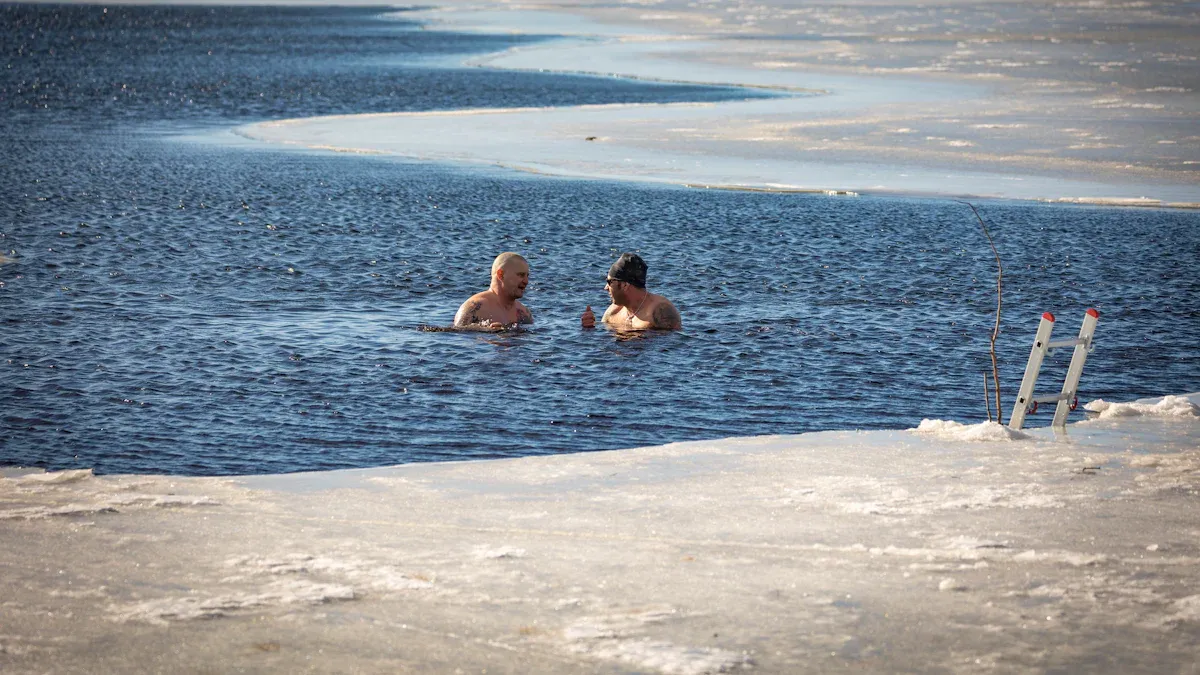
You can use an Ice Bath Tub at home if you get ready the right way and know about risks like cold shock or dirty water. Using cold water often might help your mood and make you tougher. Always look at the water temperature and pay attention to how you feel. Talk to your doctor if you worry about your health.
Key Takeaways
Pick an ice bath tub that is strong. Make sure it has a filtration system. Check for safety features like surfaces that do not slip.
Always test the water temperature before you get in. The water should be between 50°F and 59°F. This keeps you safe and comfortable.
Drink water before and after your ice bath. Do not stay in the ice bath for more than 10 minutes. Pay attention to how your body feels. Leave the tub if you feel dizzy or numb.
Ice Bath Tub Safety Basics
Choosing Your Ice Bath Tub
Picking the right Ice Bath Tub makes your cold plunge safer and more comfortable. You want a tub that fits your space and lets you submerge your whole body. Look for strong materials like acrylic or fiberglass. These last longer and are easy to clean. Some tubs, like those from Quang Ice Bath, have built-in filtration systems. Clean water helps keep you healthy and saves you time on maintenance. Non-slip surfaces and sturdy handles help you get in and out safely. Here’s a quick guide to what you should look for:
| Feature/Material | Description |
|---|---|
| Consistent Temperature Control | Keeps water at the right cold level for safety and comfort. |
| Size and Capacity | Fits your space and allows full body submersion. |
| Filtration System | Keeps water clean and reduces germs. |
| Durable Materials | Acrylic or fiberglass lasts longer and is easy to clean. |
| Energy Efficiency | Saves money on power bills. |
| Safety Features | Non-slip surfaces and handles prevent slips and falls. |
Key Safety Precautions
You need to follow some simple rules to stay safe in your Ice Bath Tub. Always check the water temperature before you get in. The best range is between 50°F and 59°F. Start with a higher temperature if you are new. Enter the tub slowly. This helps your body adjust and lowers the risk of shock. Wear a long-sleeve shirt or shorts to protect your skin. Drink water before and after your bath to stay hydrated. Set a timer and keep your session under 10 minutes. Listen to your body. If you feel dizzy or numb, get out right away. Never skip warming up after your bath. These steps help you get the most out of your cold plunge and avoid common mistakes.
Safe Steps for Using an Ice Bath Tub
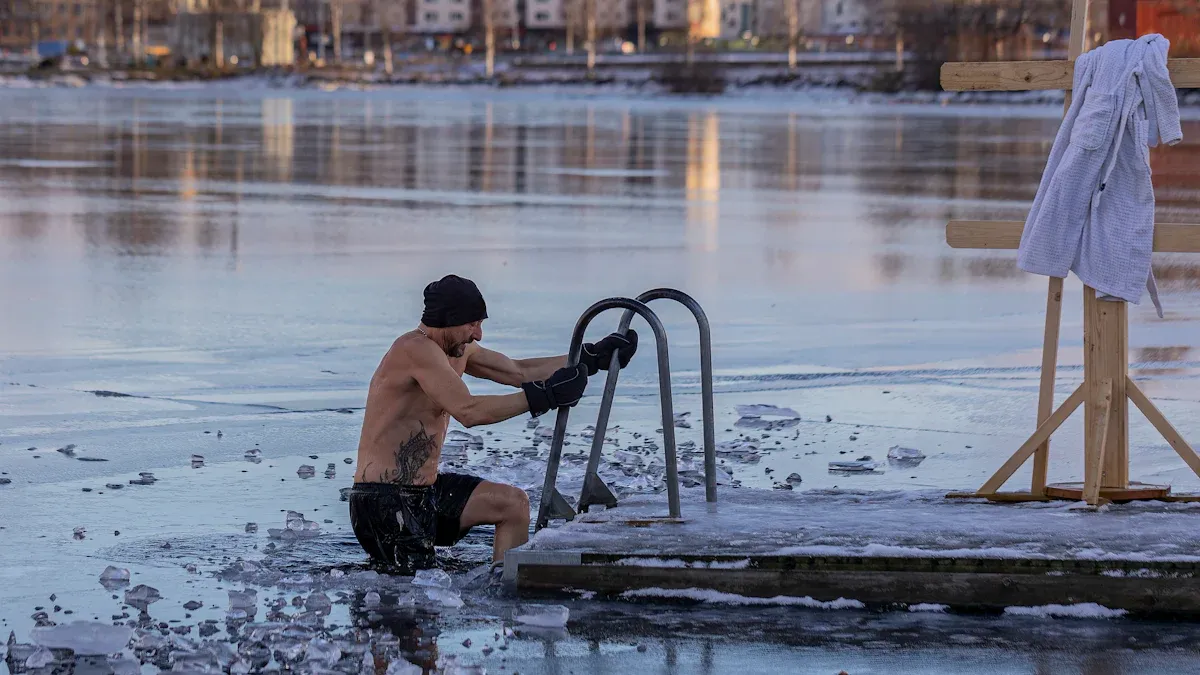
Preparation and Setup
Getting ready for your Ice Bath Tub session is all about planning and safety. You want to make sure everything is set before you jump in. Here’s a simple step-by-step guide:
Drink water first. Hydration helps your body handle the cold.
Do a light warm-up, like stretching or walking around for a few minutes.
Fill your Ice Bath Tub with cold water. Aim for a temperature between 50°F and 59°F.
Add ice. For a small tub, use 10–30 lbs of ice. Bigger tubs may need up to 100 lbs. Most people use two or three bags of ice cubes or crushed ice to get the right chill.
Check the temperature with a thermometer. Make sure it’s not too cold.
Set a timer for your session. Beginners should start with 1–3 minutes.
Place towels and a warm blanket nearby. You’ll want these when you get out.
Tip: If you’re new to cold plunges, try a cold shower first. Notice how your body and mind react. This helps you get ready for the real thing.
Entering and Breathing Techniques
When you step into the Ice Bath Tub, go slow. Rushing in can make your body gasp and feel shocked. Take a deep breath and focus your mind. Here’s what works best:
| Best Practice | Description |
|---|---|
| Mental and Physical Prep | Take a moment to breathe and focus before you enter. |
| Gradual Entry | Slide in slowly. Start with your feet, then legs, then up to your neck if you feel ready. |
| Controlled Breathing | Try breathing techniques like the Wim Hof Method, box breathing, or deep belly breaths. |
| Exhaling Before Entry | Let out a slow breath as you step in. This helps control the gasp reflex. |
| Lifting Out if Overwhelmed | If you feel too cold, lift your chest out of the water for a moment. |
You can use different breathing styles to help your body adjust:
Wim Hof Method: Take deep breaths, then hold and release. This can help you feel calmer.
Box Breathing: Breathe in for four counts, hold for four, out for four, and hold again.
Controlled Exhale: Focus on slow, steady breaths out.
Deep Diaphragmatic Breathing: Fill your belly with air, then let it out slowly.
Note: Breathing helps you stay relaxed and keeps your mind off the cold.
Duration and Monitoring
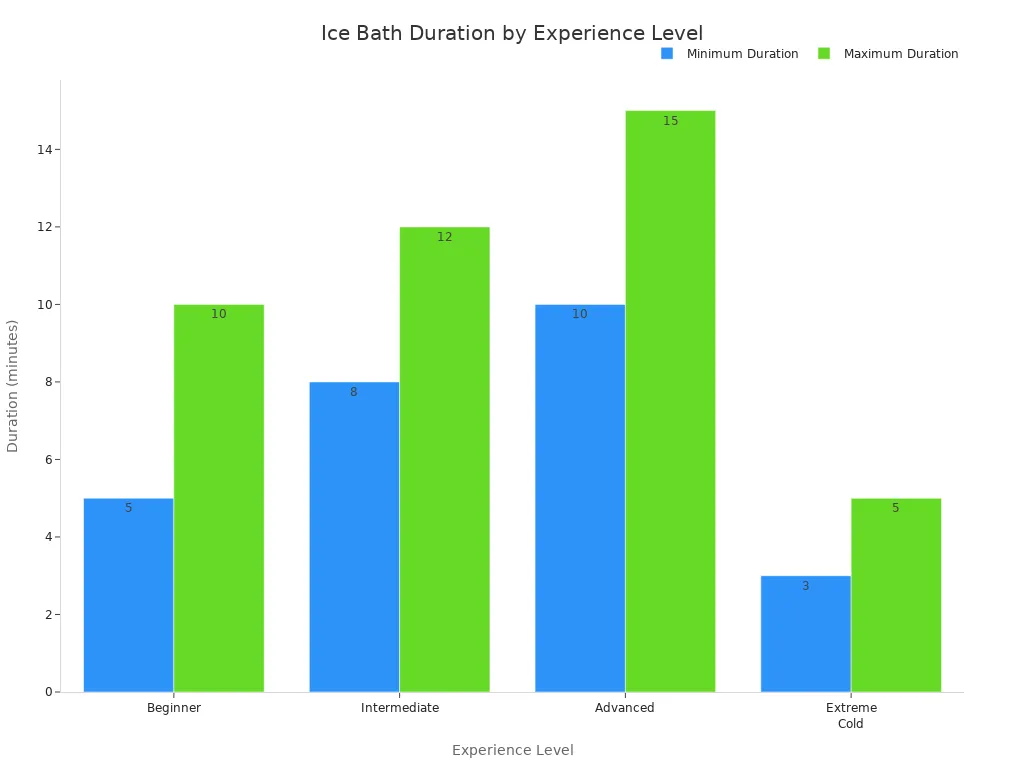
How long should you stay in the Ice Bath Tub? It depends on your experience. Beginners should start with short sessions. Here’s a quick guide:
| Experience Level | Temperature | Duration | Purpose |
|---|---|---|---|
| Beginner | 59–64°F | 1–3 minutes | Build tolerance |
| Intermediate | 54–59°F | 5–10 minutes | Recovery |
| Advanced | 50–54°F | 10–15 minutes | Maximum benefits |
| Extreme Cold | 39–46°F | 3–5 minutes | Mental challenge |
Keep an eye on how you feel. If you start shivering a lot, feel confused, or get really tired, get out right away. Watch for signs like blue or pale skin, clumsiness, or slurred speech. These mean you need to warm up fast.
Safety Reminder: Always listen to your body. If you feel unwell, stop your session and seek help.
Exiting and Warming Up
Getting out of the Ice Bath Tub is just as important as getting in. Here’s how you do it safely:
Sit on the edge of the tub for a few breaths. Let your body adjust.
Stand up slowly, keeping a hand on the tub for balance.
Step onto a non-slip mat. This keeps you from slipping.
Dry your feet and hands right away.
Put on warm clothes or wrap up in a towel.
Take short, careful steps as you move around.
Start gentle movement, like walking or stretching, to help your body warm up.
After you’re out, focus on warming up:
Use a warm towel to dry off.
Put on cozy clothes.
Drink a warm beverage, like tea or hot cocoa.
Do light exercises, like walking or gentle stretching.
Eat something warm if you feel hungry.
Tip: Gradual warming helps your body recover and keeps you safe. Never rush this part.
Remember, having everything ready before you start makes your Ice Bath Tub experience safer and more enjoyable. If you want a tub with extra safety features, check out brands like Quang Ice Bath. Their tubs come with filtration systems and sturdy handles, which make your cold plunge easier and safer.
Who Should Avoid Ice Bath Tubs

Health Conditions and Warnings
Not everyone should try an ice bath at home. Some health conditions make cold water risky. If you have any of these, you should skip the ice bath and talk to your doctor first:
| Health Condition | Why It’s Risky |
|---|---|
| Heart Conditions | Cold water can make your blood vessels tighten and raise your blood pressure. |
| High Blood Pressure | The cold can push your blood pressure even higher. |
| Respiratory Issues | Cold water may make it hard to breathe or cause spasms in your airways. |
| Diabetes | You might not feel cold injuries in your hands or feet as quickly. |
Note: If you have any medical concerns, always check with your healthcare provider before trying an ice bath.
Signs to Stop Immediately
You need to watch your body closely during an ice bath. Frostbite can happen fast if you stay in too long or the water is too cold. Even a few minutes can be dangerous. Here are signs you should get out right away:
Shivering that won’t stop
Numbness or tingling in your fingers or toes
Skin turning pale, blue, or waxy
Trouble speaking or thinking clearly
Feeling dizzy or weak
| Stage | Time in Water | What Happens |
|---|---|---|
| Cold Shock Response | 3–5 minutes | Gasping, fast heartbeat, risk of drowning |
| Cold Incapacitation | 3–30 minutes | Loss of movement, hard to get out of the tub |
| Hypothermia | 30+ minutes | Body temperature drops, serious health risk |
If you notice any of these signs, get out, dry off, and warm up right away.
Alternatives to Ice Baths
If an ice bath isn’t safe for you, don’t worry. You have other ways to help your muscles recover at home. Frost Locker is a modern option that gives you cold exposure without the mess or hassle of ice. It keeps the temperature steady and helps with soreness, swelling, and recovery after exercise. You can also try contrast showers—switching between hot and cold water. These showers are easier to do and still help with muscle soreness, though not as much as a full ice bath. Cold showers work too, but they don’t reach as deep or give the same strong effect as a real ice bath.
Tip: Always choose the recovery method that feels best for your body and matches your health needs.
You can enjoy safe ice baths at home by easing in slowly, checking the water temperature, and keeping sessions short. Always listen to your body and watch for warning signs. If you have health concerns, talk to your doctor first. Safe practice helps your muscles recover and keeps risks low.
FAQ
How cold should the water be for an ice bath?
You want the water between 50°F and 59°F. Use a thermometer to check before you get in.
What should you wear during an ice bath?
Wear a long-sleeve shirt and shorts. This helps protect your skin and keeps you comfortable.
Which ice bath tub brand do you recommend?
Quang Ice Bath tubs offer strong materials, filtration, and safety features. You get clean water and a sturdy design for safe cold plunges.